
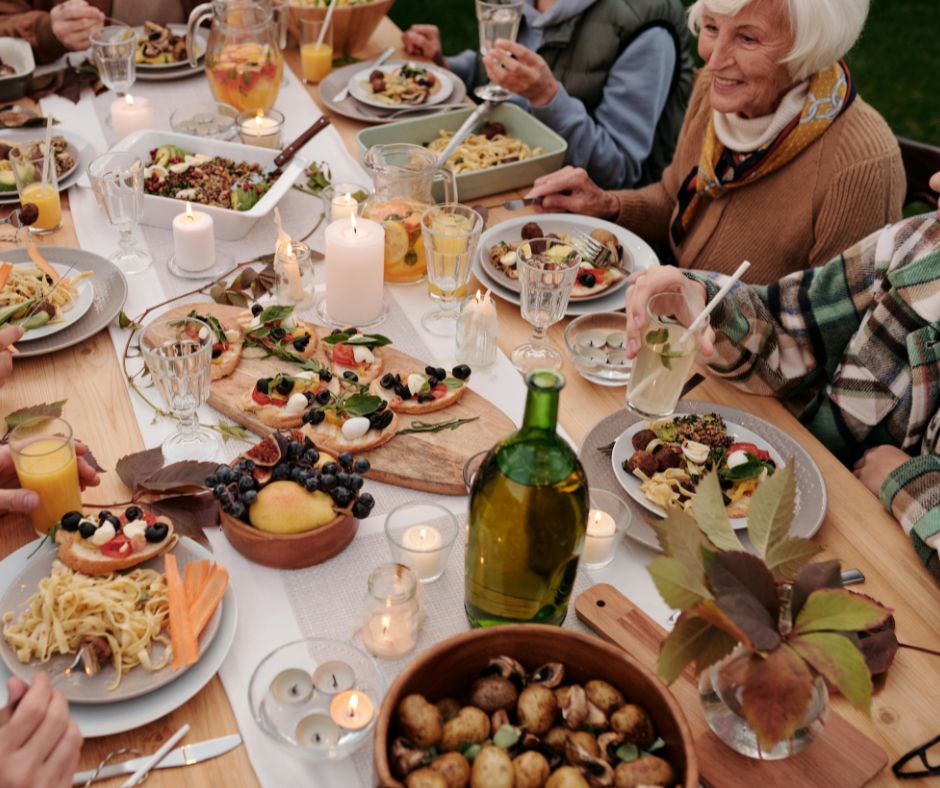
Year after year, we hear that the Mediterranean diet is the best diet for our bodies. Many diets, some of which you may have tried, are not designed as a long-term option but rather for short-term weight loss. They tend to work for a little while, or may start to feel restrictive, leading to counting down the days until it is over. But the Mediterranean diet is designed differently; it is not so much a diet as it is a lifestyle change. It does not require a restrictive or obsessive diet but rather a focus on natural, real foods. That food feels natural, joyful, and completely sustainable for the long haul. Once you start seeing it that way, everything shifts. And that shift is exactly what your body, your energy, and your long-term health have been waiting for.
What Is the Mediterranean Diet, Really?
At its core, the Mediterranean way of eating is inspired by the traditional dietary patterns of countries bordering the Mediterranean Sea, including Greece, Italy, Spain, and southern France. For centuries, people in these regions ate in a way that was naturally aligned with what the land provided: an abundance of plants, healthy fats, whole grains, legumes, fish, and modest amounts of everything else.
This way of eating centers on fruits, vegetables, legumes, nuts, whole grains, fish, and olive oil, with moderate amounts of dairy and very little red meat. The food is only part of the picture. The lifestyle includes unhurried meals shared with people you love, regular physical movement woven naturally into daily life, adequate rest, and a general philosophy of enjoying rather than enduring your relationship with food.
The Core Foods to Know and Love
We have found that getting started with the Mediterranean lifestyle does not require a complete overhaul overnight of all the foods in the refrigerator. It starts with understanding which foods form the foundation and then slowly making swaps that feel natural. Here are some of the basic building blocks of this way of eating.
Focus On:
Vegetables of every kind, eaten generously at every meal. Think leafy greens, tomatoes, eggplant, peppers, and zucchini.
Fruits enjoyed daily as snacks or desserts, especially seasonal ones like berries, figs, citrus, and stone fruits.
Whole grains like farro, bulgur, whole grain bread, oats, and brown rice instead of refined flour products.
Legumes including chickpeas, lentils, white beans, and black beans, which serve as affordable, filling protein sources.
Nuts and seeds, especially almonds, walnuts, pistachios, and flaxseeds, enjoyed as snacks or sprinkled over salads.
Lean meats with higher emphasis on fish and seafood. Try to eat fish and seafood at least two to three times per week, particularly fatty fish like salmon, sardines, mackerel, and anchovies.
Extra virgin olive oil as the primary cooking fat and dressing, replacing butter and vegetable oils wherever possible.
Herbs and spices in place of heavy salt, including oregano, basil, rosemary, thyme, cumin, and garlic.
Eat Rarely:
Red meat, processed meats, and sweets enjoyed rarely and in smaller portions rather than as the centerpiece of every meal.
Practical Ways to Get Started Today
One of the most common things people say when they first hear about the Mediterranean diet is that it sounds complicated or expensive. But in our home, we have tried to follow it daily. We have found it to be one of the most approachable ways to eat. It is built on humble, everyday ingredients that most of us already enjoy and can easily find at any farmers’ market, grocery store, or even better, in our backyard garden.
Choose Olive Oil
A great place to start is to reach for extra-virgin olive oil instead of butter. Drizzle it over roasted vegetables, add to a quick dressing, or finish a bowl of soup with a splash. It was one of the first steps our family took, and it was incredibly easy. Olive oil often adds additional flavor and meaningful nutrition without any extra effort.
Fresh Fruits and Vegetables
Building meals around fresh fruits and vegetables does not have to be elaborate either. A handful of cherry tomatoes alongside dinner, a simple salad with whatever produce looks good that week, or roasted peppers tossed with herbs are the kinds of things that come together in minutes. Fruit makes a naturally sweet and satisfying dessert without any thought at all.
Beans
Beans are some of the most budget-friendly and versatile ingredients you can keep in your kitchen. Our family loves chickpeas. Add them to a soup, salad, or even create your own hummus. They help round out a meal with protein and fiber in a way that feels effortless. Adding fish or lean meats a few times a week completes the picture without requiring anything fancy or complicated.
Slow Down and Be Social
Slow down at mealtime and choose to make it social. Eat with your family, friends, or even neighbors and take a moment to enjoy the table. The Mediterranean lifestyle was never meant to be solitary. Also, eating slower allows your body to register fullness and makes every meal more enjoyable.
Most of us are already using many of these building blocks of this lifestyle. Sometimes we just need to change how we use them or remove something that may not be benefiting us. It is less about overhauling everything and more about leaning into the whole, real foods that already make sense to you.
The Connection to Chronic Health Conditions
The research regarding the Mediterranean Diet has consistently pointed to the fact that eating this way is powerfully protective. When people follow the Mediterranean pattern closely, they begin to show significantly lower rates of heart disease, stroke, high blood pressure, and early death from cardiovascular causes. Those are not small differences. They are the kinds of numbers that make doctors and researchers take notice.
Heart Disease and Cardiovascular Health
Heart disease remains the leading cause of death worldwide. However, we can help prevent it through our lifestyle. The Mediterranean diet is strongly supported as a way to help protect the heart. It can lower rates of heart attacks, coronary artery disease, stroke, and death from cardiovascular causes. The healthy fats from olive oil and fish support good cholesterol levels, plant compounds help reduce inflammation, and fiber from legumes and whole grains keeps the cardiovascular system running smoothly.
Type 2 Diabetes
Eating the Mediterranean diet helps lower the risk of developing type 2 diabetes, and for those already with it, can improve blood sugar control, lower LDL cholesterol, and improve triglyceride levels. It works by improving how the body responds to insulin, supporting a healthier gut, reducing oxidative stress, and cooling the chronic low-grade inflammation that sits at the root of insulin resistance. Olive oil alone has been shown to lower diabetes risk on its own.
Brain Health, Cognitive Decline, and Mental Well-Being
This is the part that genuinely surprised me when I first learned about it. The Mediterranean diet is linked to a lower risk of cognitive decline, dementia, and Alzheimer’s disease. The reasons come down to what this food does for the brain: it reduces inflammation in neural tissue, protects brain cells from oxidative damage, and supports healthy blood flow to the brain. The brain thrives on the same things the rest of the body does, and this lifestyle consistently delivers them.
The gut-brain connection is just as meaningful. Eating the Mediterranean diet can reduce depressive symptoms and support emotional well-being. When the gut is well nourished with fiber, healthy fats, and plant-based foods, it helps support the production of neurotransmitters that regulate mood and help maintain steady energy from morning to night.
Inflammation and Gut Health
Chronic inflammation is a common issue that impacts nearly every serious disease, from heart disease to cancer to autoimmune conditions. The Mediterranean diet offers anti-inflammatory support by helping to create a diverse, thriving gut microbiome, lowering oxidative stress, strengthening immune function, and quieting the internal inflammation. When the gut is healthy, everything else tends to follow.
This Is Not About Perfection
I want to close with this thought. While our family does try to follow the Mediterranean diet, we are not being perfect, but it’s not about being perfect. The Mediterranean lifestyle is not a rigid rulebook. It is guidance. A way to prioritize real food and a healthy, active lifestyle over rules, restrictions, and guilt. The health benefits are real and well supported. But the part that will keep you coming back, the part that will make this feel like home rather than homework, is how good it actually feels to live this way. Nourished, energized, and grounded in something that has worked for centuries and will keep working for you.