
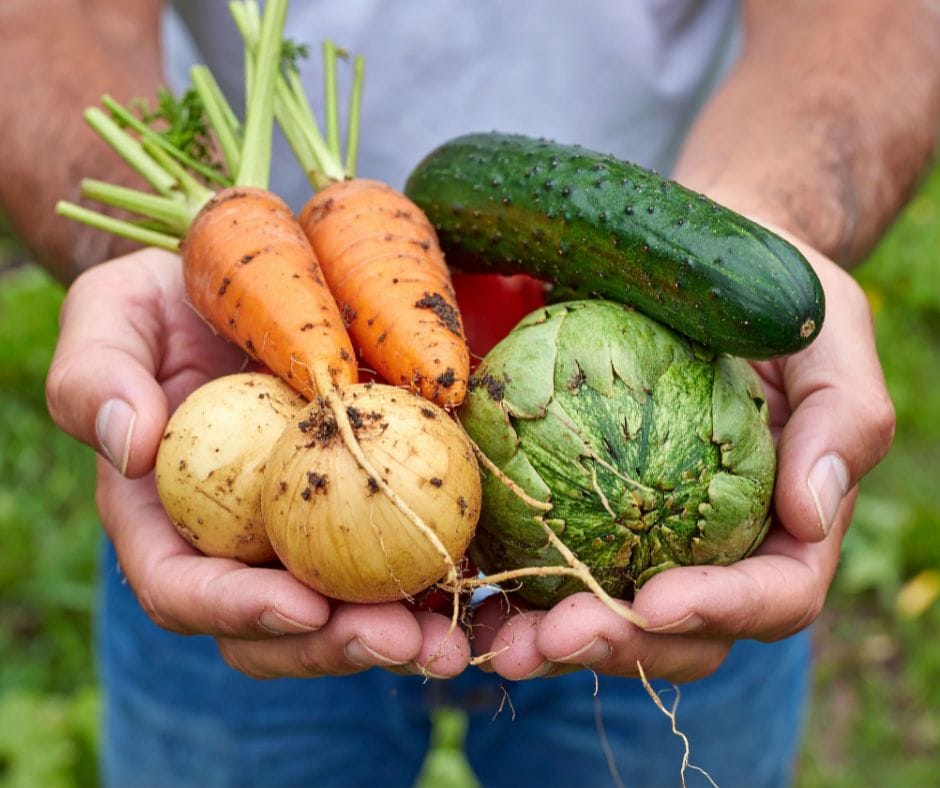
Four years ago, my wife and I decided to start a fruit and vegetable garden. Our parents had always had gardens, but we were starting from zero. We built a raised bed, added some garden soil, and bought seedlings from Lowe’s based on what we thought we wanted to eat. It has been a humbling and fun adventure. Our eggplant does great year after year. Tomatoes are hit or miss depending on the year. Our first-year cucumbers were the worst we have ever tasted. Over time, though, our knowledge and experience have expanded, allowing us to truly grow with our garden. It has stopped being a project and become something we genuinely love. If you are thinking about starting a garden of your own, here is what four years of figuring it out have taught us about why it is worth it.
Benefits of Starting a Garden
It Saves You Real Money at the Grocery Store
We did not start gardening to save money, but it has saved us money. Fresh produce prices have climbed sharply over the past several years, and having a productive garden can help insulate you from that in ways you start to notice by midsummer. We know from experience that the prices of fruits and vegetables have been rising, especially since 2020.
Some of the biggest savings come from perennial plants. Fruit trees, blackberry bushes, raspberry bushes, blueberry bushes, and asparagus cost money upfront and sometimes take a couple of years to reach full production, but they come back every year with no replanting.
You Will Eat More Fruits and Vegetables Without It Feeling Like Discipline
One of the things we noticed after starting a garden is that our diet changed without us trying to change it. Research shows that when you have grown something yourself, you want to use it, and that connection can meaningfully shift your eating habits. The fruits and vegetables we grow in our garden also seem to taste better and are shown to be more nutrient-dense. Four years in, we eat more vegetables, more fruit, and more variety than we did before. Not because we decided to. Because the garden made it easy.
It Is Better for the Environment
Food grown in our own gardens has a dramatically better environmental footprint than a commercially produced equivalent. There is no transportation, no cold chain, and no plastic packaging. The closer we get to growing our own food, the more we understand how to reduce waste. We harvest what we need, we compost what we do not use, and we start to feel the logic of growing seasonally in a way that shopping never quite teaches us.
A garden also actively supports local biodiversity. Flowering vegetables, fruiting plants, and herbs all attract pollinators. Food gardens provide a meaningful habitat for bees and other beneficial insects. Our garden gets more insect life every year, which has improved our yields. Better pollination means more fruit.
Supports Your Physical and Mental Well-being
Gardening, while it may be a hobby, also has benefits that extend to your physical and mental well-being beyond nutrition. Research found that gardening is associated with meaningful reductions in depression, anxiety, and stress, as well as improvements in overall life satisfaction. In fact, there is a form of therapy called horticultural therapy. Gardening can help shift our focus away from our often stressful, screen-heavy lives. The time we spend in the garden each morning, watering and checking on things while the day is still quiet, is often the clearest-headed part of our entire day.
The physical benefits are just as genuine. Gardening involves more physical activity than most people expect, including digging, planting, hauling bags of soil, pulling weeds, and carrying harvests. The American Heart Association recognizes gardening as a moderate-intensity physical activity, comparable to a brisk walk.
It Does Not Matter Where You Live: Containers and In-Ground Growing Both Work
One of the things we learned early on is that a garden does not have to mean a dedicated plot of dirt. We grow most of our plants in raised beds and in-ground rows, but we also have a collection of containers for herbs and fruits. Many gardeners end up doing both, and each approach works beautifully with its own genuine advantages.
In-ground and raised bed growing gives you more volume, better long-term soil development, and works best for larger plants like squash, corn, indeterminate tomatoes, and fruit trees planted permanently in the ground.
Container growing offers flexibility, better drainage control, and the ability to garden without a yard. It is ideal for balconies, patios, or small spaces.
What We Wish We Had Known at the Start
We have had our share of lessons learned the hard way. A few that would have saved us real trouble:
Start with the soil. Everything else is secondary. Whether you are gardening in the ground or in containers, the quality of your growing medium matters more than almost anything else. In containers, use a quality potting mix with added perlite rather than garden soil, which compacts in pots. In-ground, amend with compost before you plant and again every season after.
Choose the right plants for your garden. One of the most common mistakes gardeners make is picking the wrong plants for where they live and when they are planting. Learning to select plants with intention, rather than optimism, changes everything. It is worth understanding your hardiness zone and your local growing season before you buy a single seedling. Get those right, and the rest gets a lot easier.
Give plants more space than you think they need. Crowded plants compete for light and airflow, which leads to disease. When the tag says 18 inches of spacing, it means it.
Match the plant to the light. Most vegetables and fruits need 6 to 8 hours of direct sun per day. Assess your space honestly before choosing what to grow. Shade-tolerant crops like lettuce, spinach, and herbs give you much more flexibility than tomatoes or peppers ever will.
How you water matters. Some vegetables do not do well with overhead watering. Try using a drip irrigation system or a soaker hose to deliver water directly to the roots. Water deeply and less often rather than shallowly and frequently. Deep watering encourages roots to grow downward and builds drought resistance over time. Shallow daily watering encourages surface roots that dry out quickly.
Use your local cooperative extension office. Every U.S. state has one, run through land-grant universities, and they offer free planting calendars, soil testing, and regionally specific growing advice.
The Bottom Line
A fruit and vegetable garden, whether we are growing in containers or working on an in-ground plot, is one of the most rewarding things we can take on this year. It will save us money, improve what we eat, do something good for our mental health and our family, and give us a relationship with our food that the grocery store never can.
You may make mistakes or lose plants, but we have the opportunity to learn things we did not expect to need to know. I know we did, but then one morning, you will pick something you grew yourself and eat it right there in the garden, and that will be the best reward.