
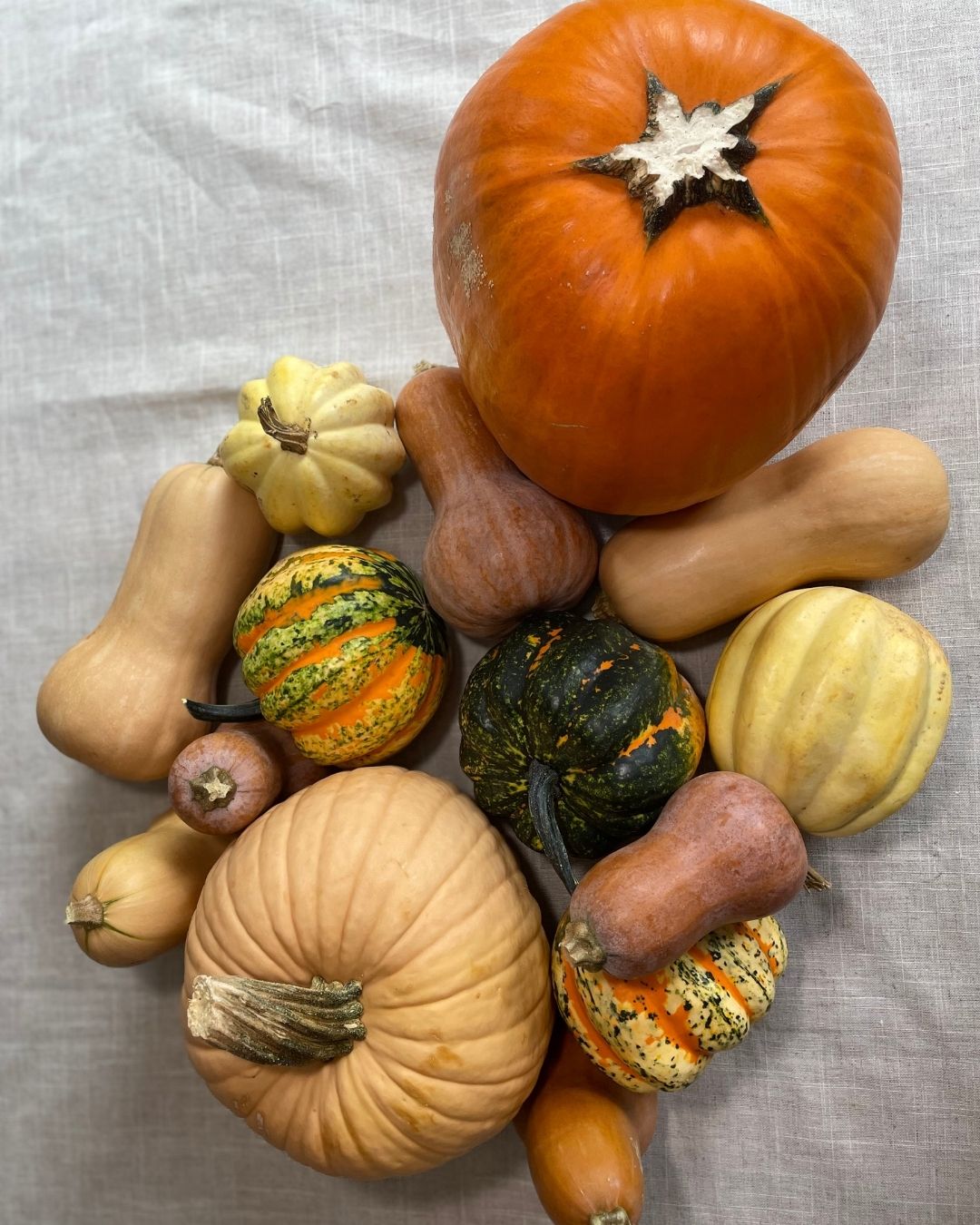
Winter squashes are incredibly versatile and hearty vegetables to add to meals, especially during the fall and winter months. We have come to love the variety and flavors of these squashes. While there are many different types of winter squash, the most common that we have seen at the supermarket or farmers market are acorn squash, butternut squash, delicata squash, honeynut squash, spaghetti squash, carnival squash, and pie pumpkins.
Health Benefits
Winter Squash varieties such as butternut, acorn, kabocha, and spaghetti squash are rich in vitamin A from beta-carotene. Beta-carotene helps support vision health, immune function, and normal organ function and acts as a strong antioxidant, helping protect cells from oxidative stress.
Winter squash also provides vitamin C and potassium, nutrients that support immune health, skin health, and cardiovascular function, such as blood pressure regulation. The high fiber content of winter squash promotes digestive health, supports gut function, and helps maintain stable blood sugar levels. Because winter squash has a low glycemic load, it is a wise choice for individuals managing diabetes or seeking steady energy throughout the day.
In addition, winter squash contains plant compounds such as beta-carotene and lutein, antioxidants that have been studied for their role in protecting cells from oxidative damage and their potential influence on cancer-related processes.
How to Pick the Perfect Winter Squash
General Guidelines
- Choose squash that has a firm exterior with no soft spots or cracks.
- The rind (it’s skin) of winter squashes becomes firmer as they mature; the skin should be matte and hard to pierce with your fingernail, not shiny and soft.
- Look for squash that feels heavy for its size, indicating moisture-rich flesh.
- Choose squash with at least an inch of stem attached when possible.
- Avoid squash with deep cuts, punctures, or signs of mold.
Color Indicators
- Most winter squashes should have developed to their mature color before.
- Green skin is a sign that butternut and honeynut squash were picked before fully ripe, leading to low-quality flesh and shorter shelf life.
How to Store Winter Squash
Store winter squash at temperatures between 50 and 60°F with good air circulation. A cool basement, pantry, or unheated garage works well. Winter squash and pumpkins deteriorate rapidly if stored at temperatures below 50°F, so avoid refrigerating whole squash.
- Store squash in a single layer on shelves or in shallow containers.
- Don’t store winter squash at temperatures lower than 50 degrees, especially in rooms that are not temperature-controlled; when squash freezes, it will start decaying once it thaws.
- Keep away from ethylene-producing fruits like apples and pears.
- Check weekly for signs of spoilage such as soft spots or mold.
- Turn squash regularly to prevent bruising and ensure even air circulation.
Cut Squash Storage
Once cut, storage requirements change dramatically:
- Wrap cut pieces tightly in plastic wrap or store in airtight containers.
- Refrigerate immediately.
- Use within 4-7 days for best quality.
Winter Squash Varieties
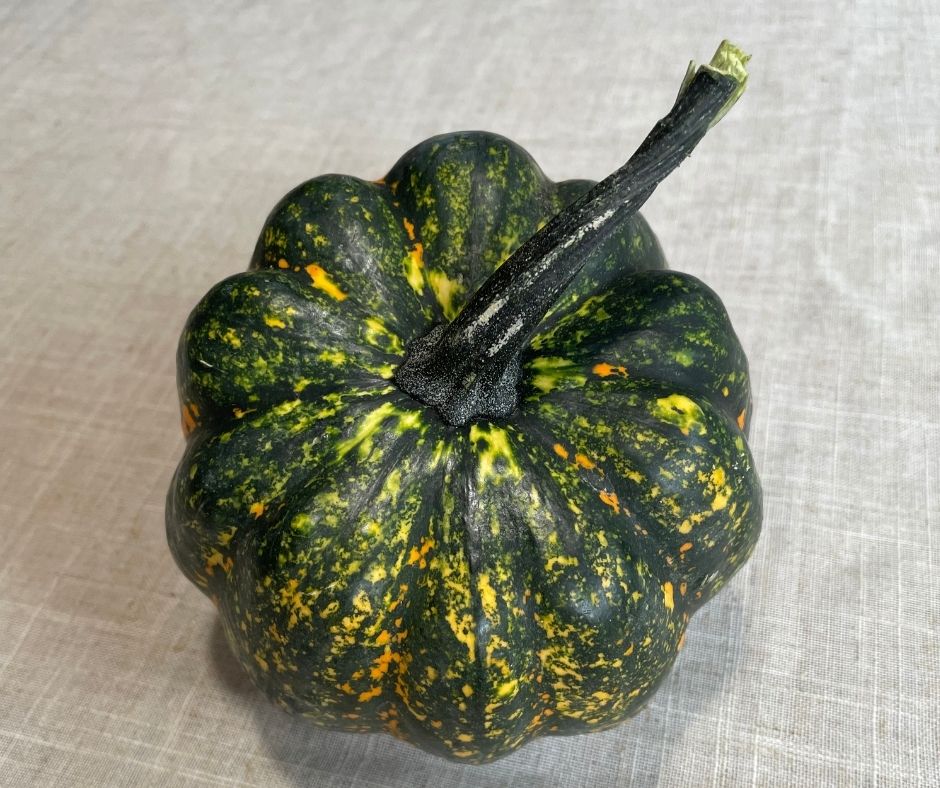
Acorn Squash
Size: Measures about 13 to 20 centimeters long and 10 to 13 centimeters wide, weighing between 0.5 and 1 kilogram
Appearance & Color: Has an ovoid shape with deeply furrowed ridges that taper to a point; the rind is dark green with yellow and orange patches as it matures. The most common variety features dark green skin, though golden and multi-colored varieties also exist.
Taste & Texture: The flavor has been described as mild, subtly sweet, and nutty. When cooked, it becomes tender and takes on a mildly sweet, nutty, and buttery flavor. The golden-orange flesh has a drier texture than that of other winter squashes.
Shelf Life: Acorn squash can be stored satisfactorily for 1 to 2 months but with longer storage, the skin may begin to turn yellow, and the squash becomes stringy.
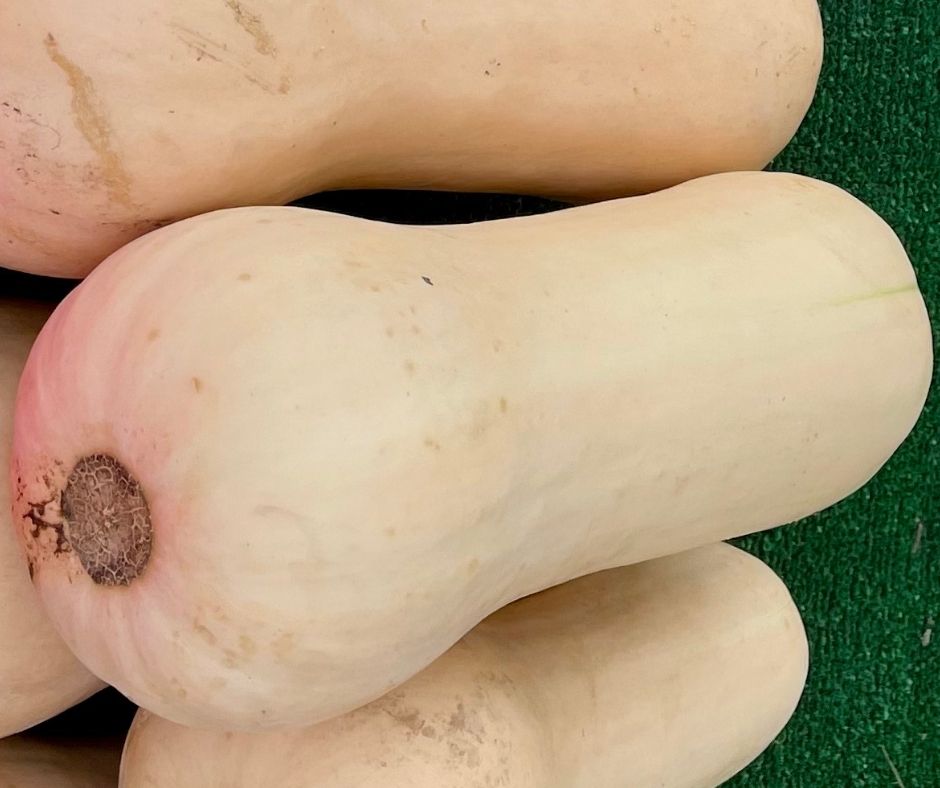
Butternut Squash
Size: Typically ranges from 8-12 inches in length and weighs 2-5 pounds, with a distinctive bell shape featuring a long neck and bulbous bottom.
Appearance & Color: Features tan, slightly orange skin with no sign of green veining when fully ripe. The smooth, beige exterior should have a matte finish.
Taste & Texture: The orange flesh is sweet and slightly nutty, with a flavor reminiscent of a cross between a pumpkin and a sweet potato. With a hint of maple syrup. The texture is creamy and smooth, perfect for pureeing into soups and sauces. Unlike almost every other fruit or vegetable, butternut squash flavor improves with storage, becoming creamier and sweeter.
Shelf Life: Butternut squash stores well for 2-3 months after harvest and up to 6 months under perfect conditions. Butternut squash is the sweetest type of winter squash and lasts the longest in storage (up to six months).
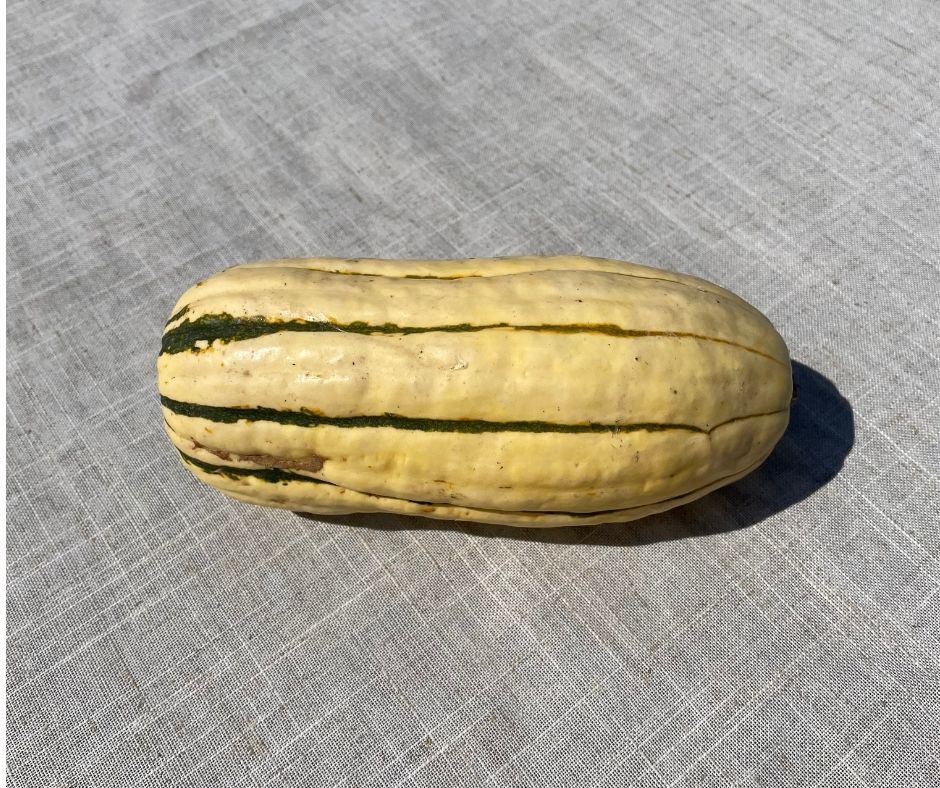
Delicata Squash
Size: Averaging 12 to 15 centimeters in height and 5 to 7 centimeters in diameter. The oblong-shaped squash are 12-31 cm (5-12″) long and weigh between 0.5-1kg (1-2lbs) each.
Appearance & Color: Has a long, narrow, cylindrical shape with grooved skin; the thin, smooth skin has a creamy yellow base with green or orange vertical stripes. In storage, the green stripes turn orange, and the cream background sometimes yellows.
Taste & Texture: The yellow flesh has a rich, creamy consistency similar to a sweet potato; the flavor is squashy, nutty, earthy, and subtly sweet. The flesh is smooth and fine-grained, tasting like a cross between butternut squash and sweet potato with a hint of nuttiness. The thin skin is edible and becomes tender when cooked.
Shelf Life: Delicata squash only stores well for about a month, maybe two if you get them fresh after harvest. This is significantly shorter than other winter squashes because of its thinner skin.
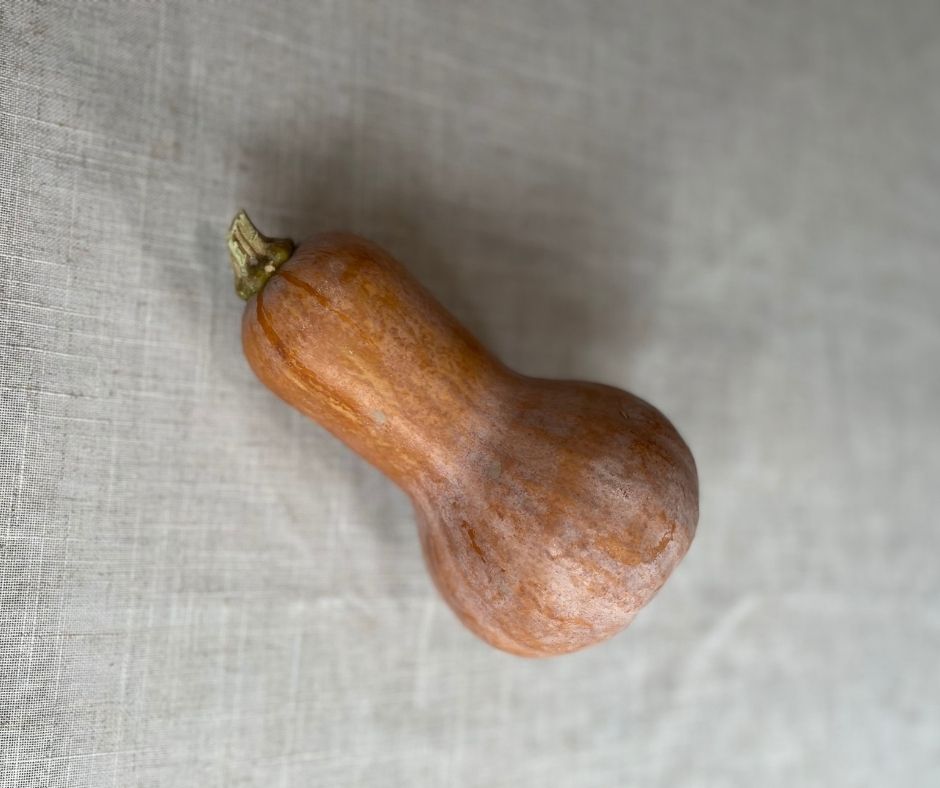
Honeynut Squash
Size: The squash averages 2.5 to 4 inches (6.4 to 10.2 cm) in width and 4 to 5 inches (10 to 13 cm) in length, about half the size of a butternut squash.
Appearance & Color: Has the traditional bell shape of a butternut squash, only much smaller, with a short, bulbous bottom and a long neck; the thin, smooth rind matures from green to mottled orange with streaks of dark green, to an all-over deep orange when fully ripe.
Taste & Texture: Tastes sweet, nutty, and maybe a little malty; the flavor is similar to butternut squash but noticeably more pronounced and sweeter. The orange fleshy pulp is firm and moist with a smooth, even texture. This squash was bred specifically for superior flavor and contains approximately twice the beta-carotene of butternut squash.
Shelf Life: They store well for about a month in a cool, dry place and should be eaten as soon as they begin to wrinkle, as this indicates they are drying out. Due to their thin skin, honeynuts don’t store as long as butternut squash.
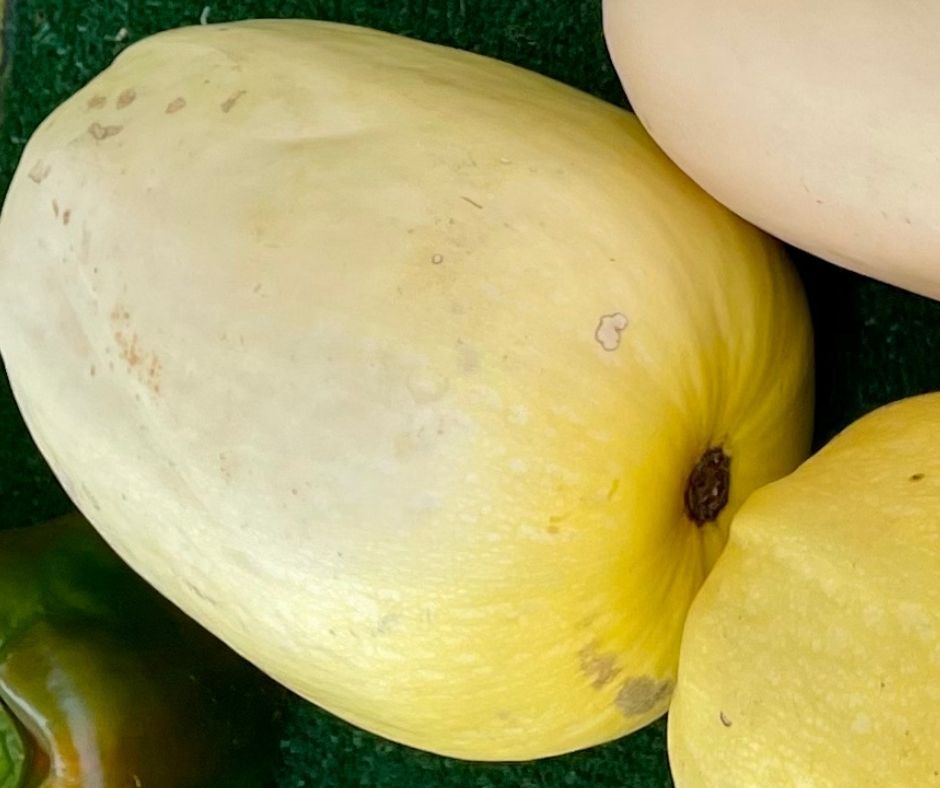
Spaghetti Squash
Size: Medium to large, typically oval-shaped, and can range from 8 to 15 inches in length, weighing 4 to 8 pounds.
Appearance & Color: Fresh spaghetti squash should be vibrant yellow; avoid squash with green patches, as this indicates immaturity. The rind is hard and cylindrical with a smooth or slightly ridged surface.
Taste & Texture: When cooked, the flesh separates into spaghetti-like strands, hence the name. The flavor is mild and slightly sweet. Spaghetti squash is lower in fiber and most vitamins than other types of squash, but it offers a unique, stringy texture that makes it a popular low-carb pasta alternative.
Shelf Life: A whole spaghetti squash lasts for about a month in a cool and dark place.
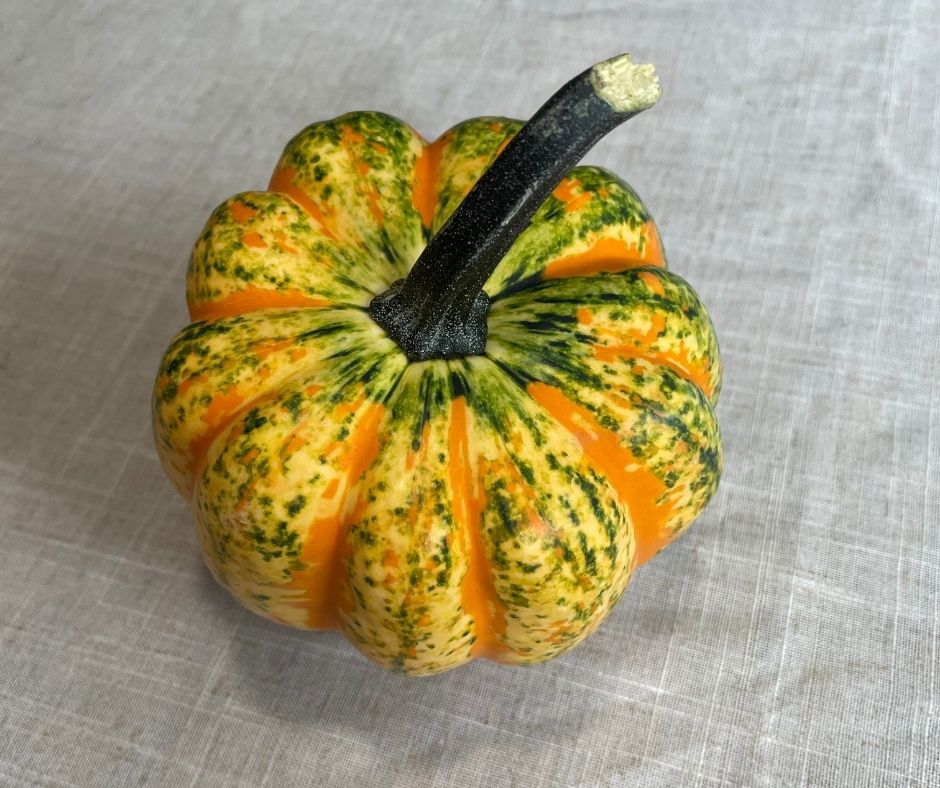
Carnival Squash
Size: Small to medium in size, averaging 12-17 centimeters in diameter. Typical weight is 1.5-2.5 lb.
Appearance & Color: Round and squat with deeply furrowed ridges; the thick skin has a cream-colored base with variegated spots and striped hues of white, orange, yellow, and green, depending on its level of maturity. This colorful appearance makes it popular for both decoration and cooking.
Taste & Texture: When cooked, it is soft and tender, with a fragrant aroma and a slightly nutty, buttery, and sweet flavor, with nuances of maple syrup, similar to butternut squash. Frequent tasting note comparisons include maple syrup, pecan, and notes of cinnamon. The thin skin is edible.
Shelf Life: Carnival squash remains edible for up to a month after purchase if stored whole in a cool pantry with low humidity.
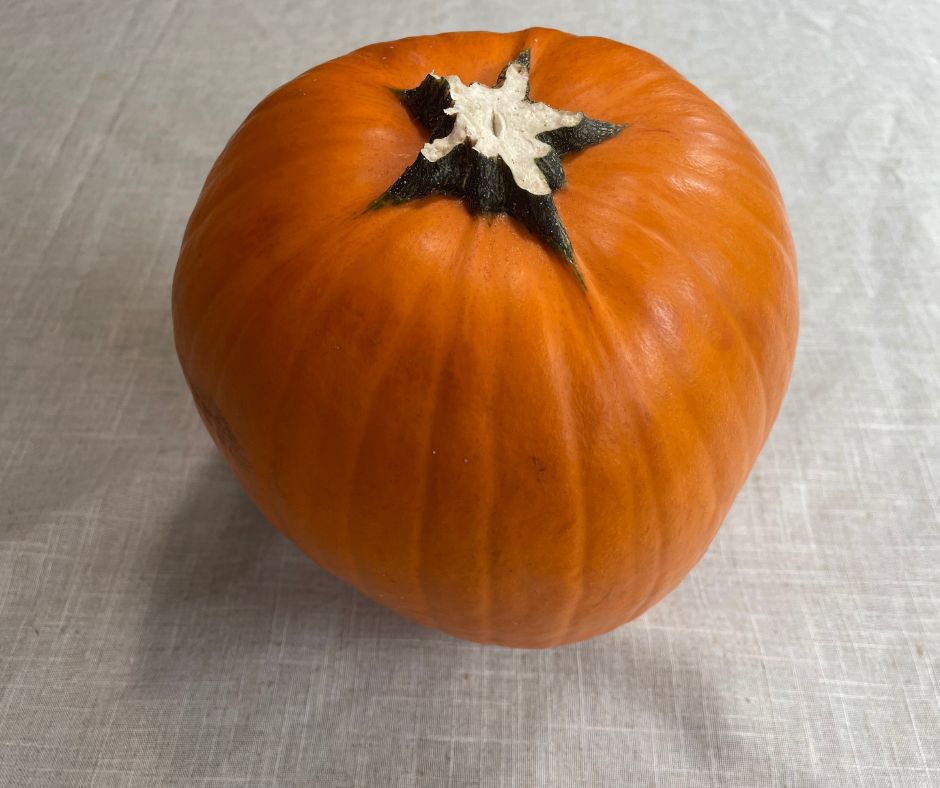
Pie Pumpkins (Sugar Pumpkins)
Size: Pie pumpkins are usually 6-8 inches in diameter. They typically average 15 to 18 centimeters in diameter and weigh about 2 to 3.5 kilograms each.
Appearance & Color: Have a round, globular form that’s slightly flattened and notably uniform in shape; their smooth orange rind has shallow, light vertical ridges that connect to a thick, ridged green-brown stem. They are smaller and denser than carving pumpkins.
Taste & Texture: Have a tender, buttery texture and a sweet, earthy, nutty flavor that caramelizes when cooked. These pumpkins have sweet, rich, and dense flesh with a smoother texture and more pronounced flavor, making them ideal for pies and other baked goods.
Shelf Life: Can last up to 2-3 months when stored correctly in a cool, dry place. Their thick rind allows for extended storage when cured properly after harvesting.
Cooking Tips
All winter squashes benefit from roasting, which brings out their natural sweetness. The skin of delicata, honeynut, and carnival squash is edible and becomes tender when cooked, eliminating the need for peeling and a bit of fun pulling it off. For harder-skinned varieties like butternut and kabocha, consider microwaving for 3-4 minutes before cutting to soften the skin and make preparation easier.
Don’t forget to save and roast the seeds from any winter squash as they make a nutritious, crunchy snack packed with protein and minerals! If you already love winter squash or if you have not given them much thought before, the truth stands that they are a nutritious and healthy whole food with numerous essential benefits.