
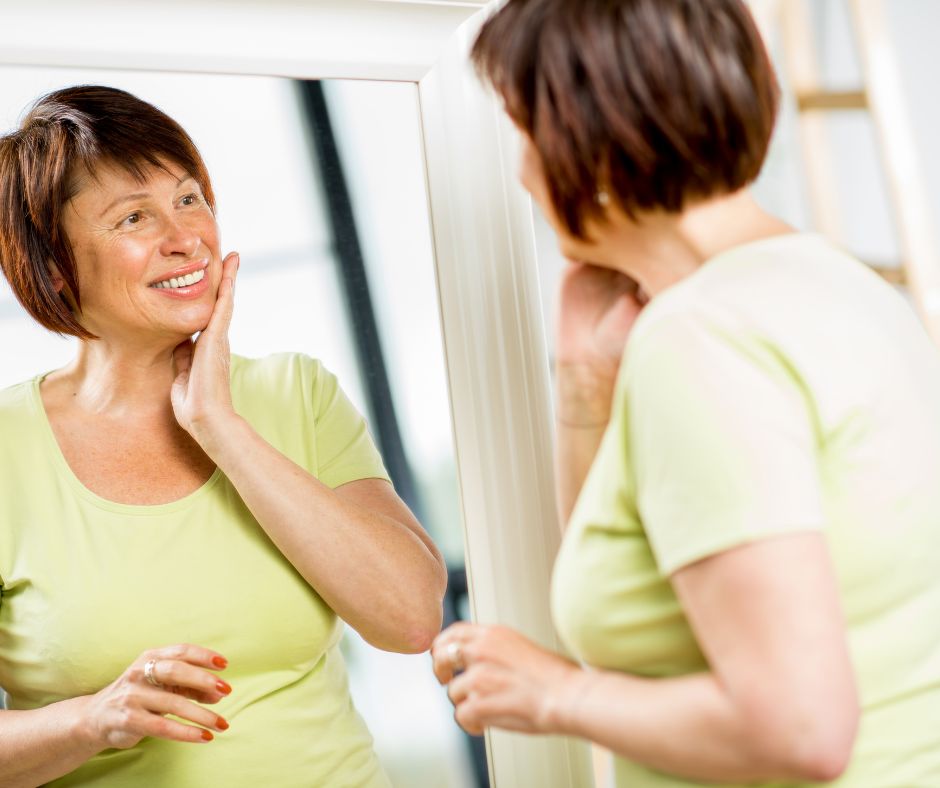
Most people think about their skin in terms of appearance. We focus on wrinkles, dryness, or blemishes. But beneath the surface, the skin performs one of the most important jobs in the human body. It protects us. Skin is the largest organ of the body and functions as the body’s first line of defense against the outside world. It shields us from infection, environmental irritants, harmful chemicals, and dehydration while also helping regulate temperature and fluid balance. At the center of this protection is something called the skin barrier.
As a wound care nurse, I have spent years looking closely at my patient’s skin. I have seen how strong skin can protect the body in remarkable ways and seen what happens when that protection begins to weaken. The difference can be life-changing. When the skin barrier is healthy, it quietly protects us every day. If it weakens, the consequences can extend far beyond the surface. Understanding how the skin barrier works is one of the most important steps in protecting overall health.
What Is the Skin Barrier
The outermost layer of the skin is called the stratum corneum. This layer forms the body’s protective barrier. The structure of the skin barrier is often described as a brick-and-mortar system. Skin cells function like bricks, while specialized lipids hold everything together like mortar. This structure performs two critical jobs. First, it keeps moisture inside the body. Second, it keeps harmful substances out.
When the barrier is intact, bacteria, allergens, irritants, and pollutants struggle to enter the body. At the same time, water remains within the skin where it belongs. When the barrier becomes damaged or weakened, small cracks can develop in that protective wall. These openings allow irritants and microbes to penetrate the skin while moisture escapes. Over time, this can lead to dryness, inflammation, and increased vulnerability to infection.
Why the Skin Barrier Matters More Than Most People Realize
While the skin barrier is often discussed in skincare, it is also considered a critical part of overall health. A weakened skin barrier can make the body more vulnerable to a wide range of problems. Even minor disruptions can create conditions that allow inflammation, irritation, or infection to develop. Healthy skin is a protective shield that supports hydration, immune defense, and tissue repair; without that protection, the body must work harder to maintain balance.
What I Have Seen as a Wound Care Nurse
The skin barrier is more than a cosmetic concern. I have cared for numerous patients whose skin became fragile due to illness, chronic diseases, cancers, medications, aging, or persistent dryness. Some health issues that can occur when the skin barrier is compromised include:
Skin Infections
When the protective layers weaken, bacteria and fungi can enter more easily. This can lead to infections such as cellulitis, fungal infections, or worsening wounds.
Pressure Injuries (Ulcers)
Fragile skin becomes more susceptible to damage, particularly in areas exposed to pressure or friction. Without strong barrier support, wounds may develop more easily.
Eczema and Dermatitis
A damaged barrier allows irritants and allergens to penetrate the skin and trigger inflammation, redness, and persistent itching.
Delayed Wound Healing
Because healthy skin supports tissue repair, wounds may take longer to heal if there are issues with our skin barrier.
Increased Skin Sensitivity
Mild soaps, fabrics, or environmental exposures may start to cause burning, redness, or irritation.
Cracking and fissures
Extremely dry skin can split open, particularly on the heels or hands. These painful cracks can create entry points for infection.
These conditions are not rare. They affect people of all ages and often begin with a weakened skin barrier.
Why the Skin Barrier Changes With Age
One of the most important things people may not realize is that the skin barrier naturally changes over time. Research shows that dry skin becomes more common with age and affects a large portion of older adults. As the skin matures, it gradually loses lipids, hydration, and elasticity.
These changes make it more difficult for the skin barrier to hold moisture and defend against irritation. As a result, many adults begin to notice increased dryness, itching, and sensitivity later in life. These changes signal that the skin needs additional support.
Conclusion
Your skin barrier works every day to protect you from the world around you. The skin barrier keeps harmful microbes out. It helps maintain hydration. It supports healing and helps your body maintain balance. Yet most people do not think about their skin barrier until problems appear.
Protecting this natural defense system is one of the simplest and most powerful ways to support long-term health. Whether you are young, aging, healthy, or managing a chronic condition, caring for your skin barrier can help reduce irritation, prevent skin breakdown, and support healing. Strong skin is not just about appearance. It is about protection, resilience, and overall wellness.