
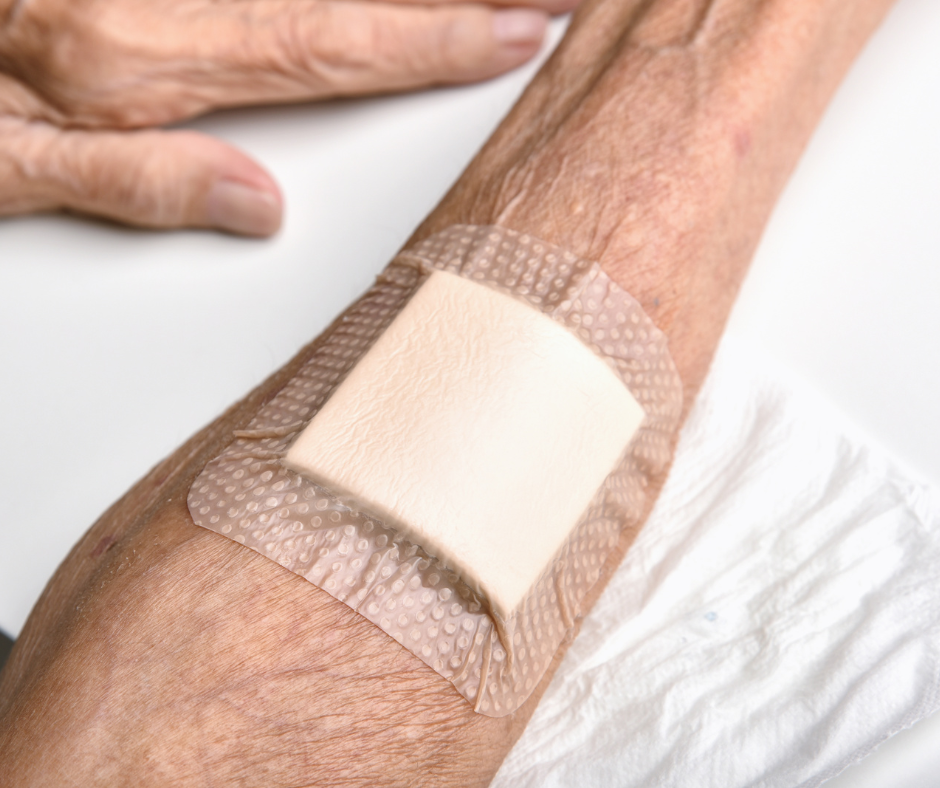
For generations, people have passed down the advice: “Leave a wound open to air so it can dry out and heal.” As a wound care nurse, I’ve heard this many times, and I’m here to clear up the confusion. The evidence from years of research tells us a very different story. Leaving a wound uncovered can actually cause more harm than good. A wound is considered clinically closed when the skin has sealed, and the outer barrier is intact. This allows the skin’s underlying tissue to be fully protected from environmental exposure. An open wound means there’s a break in the skin or mucous membrane, leaving tissue vulnerable to infection, irritation, and delayed healing.
Therefore, until a wound is truly closed, it needs some protection.
Why Wounds Heal Better When Covered
Many of us may have been told at different times, when growing up, to leave our wounds exposed to the air to help them heal. But contrary to popular belief, wounds heal best in a moist, but not overly wet environment. A clean bandage or dressing creates the right balance to support healing. Here’s why covering a wound is so important:
- Faster Healing: Research shows wounds kept moist heal 2–3 times faster than those left open to air.
- Reduced Scarring: When wounds dry out and scabs form, it slows the migration of new skin cells and increases scar formation.
- Less Pain: A moist, covered wound bed can keep new skin cells from drying out and dying, potentially reducing pain during healing.
- Protection from Infection: Dressings act as a shield against bacteria, dirt, and environmental contaminants that can cause infection.
Covering a wound is about more than comfort. It’s about giving your body the best chance to heal efficiently and safely.
The Hidden Danger of Leaving Wounds Open: Myiasis
Have you ever heard of myiasis? It’s a condition that occurs when flies lay eggs in an open wound. These eggs hatch into larvae (maggots), which burrow into tissue to feed. While sterile maggots are sometimes used in medical settings to clean wounds, wild maggots are dangerous as they can damage healthy tissue, introduce infection, and cause serious complications.
Myiasis is most common in tropical and subtropical regions. Still, it can happen anywhere, especially individuals who are unable to independently care for their wounds, live with chronic, slow-healing wounds, or experiencing housing instability. Covering a wound is one of the simplest ways to reduce this risk.
The Bottom Line
The old advice to “let wounds breathe” doesn’t hold up to modern medical research. Wounds should be covered until they are clinically closed to accelerate healing, minimize scarring, reduce pain, and protect against infection and complications such as myiasis. Your skin is your body’s first line of defense, so please treat it with care. Covering a wound isn’t just a precaution; it’s a proven step toward better healing.