
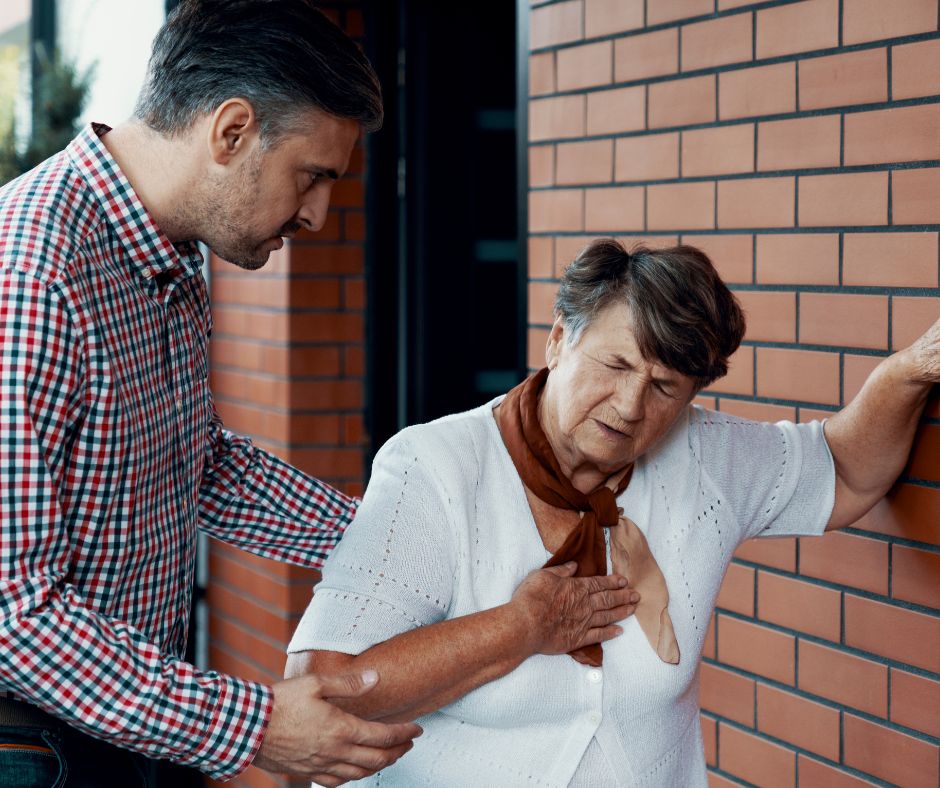
Shortness of breath is one of those symptoms that many of us experience, even if we are Olympic athletes, which, trust me, I am not. You may have climbed the stairs too fast. You go for a run for the first time in a while. You are a little out of shape and decide to start exercising again. Sometimes those explanations are exactly right. But sometimes that breathlessness is a sign from your body that deserves much closer attention, because it may be coming from your heart.
Understanding the connection between your heart and your breathing can help save your life or the life of someone you love, as the heart and lungs are more connected than most people realize.
Why Your Heart and Your Breathing Are So Deeply Connected
Although the heart and lungs are separate systems, they work as partners. As our heart beats, it moves blood through our lungs to pick up oxygen and release carbon dioxide. This process is disrupted when your heart doesn’t pump efficiently, and the lungs are often the first place the problem shows up.
Pulmonary congestion is one of the most common reasons people with heart failure experience breathlessness. It happens when the left side of the heart weakens. This causes blood to back up into the pulmonary veins, the vessels that carry blood from the lungs to the heart. That back pressure can then push fluid into the tiny air sacs of the lungs called alveoli. The fluid in those air sacs, instead of air, can make breathing labored and difficult.
Heart-related issues such as heart failure, coronary artery disease, heart valve problems, abnormal heart rhythms (arrhythmias), and high blood pressure can all reduce the heart’s ability to pump blood. Additionally, factors such as age, family history, medical history, obesity, and diabetes can cause cardiac strain over time. This cardiac strain can trigger a physiological response in the lungs, leading to breathlessness.
Dyspnea (the medical term for shortness of breath) is one of the most frequently reported symptoms in people with heart disease. It is also a primary indicator of how well or how poorly the heart is functioning for cardiologists.
Heart-Related Shortness of Breath vs. Other Causes
Heart-related shortness of breath tends to have certain patterns that are different from asthma, chronic obstructive pulmonary disease, anxiety, anemia, and even deconditioning. It often worsens when you lie flat, known as orthopnea. Propping yourself up on two or three pillows can help you sleep more comfortably. Paroxysmal nocturnal dyspnea may make you wake up from a deep sleep with a sudden, alarming feeling of not being able to catch your breath. Shortness of breath related to the heart also tends to appear or worsen with physical activity, even mild activity that never bothered you before. It may be accompanied by swelling in the ankles or legs, rapid weight gain from fluid, fatigue that seems disproportionate, or a persistent cough that produces pink-tinged or foamy mucus.
Lung-related shortness of breath, though, is often accompanied by wheezing, chest tightness, or a response to allergens or irritants.
Anxiety-related shortness of breath typically comes with a racing mind, tingling in the hands or face, and a feeling of panic.
However, these categories can overlap, and everyone’s body is different. With any shortness of breath, proper medical evaluation is needed to determine the cause with certainty.
Symptoms to Watch For and Take Seriously
If you notice or someone you care for starts to have trouble performing activities that were previously not difficult, leaving you or them winded, such as walking to your mailbox, grocery shopping, or climbing a flight of stairs, that change is worth reporting and making an appointment with your healthcare professional. It is not normal to become significantly more breathless with less exertion over time.
Look for changes in activity tolerance. Stopping to rest more often during activities that were previously done without pause? Avoiding stairs when you didn’t use to? Sleeping in a recliner or with more pillows than before? Waking up at night gasping or short of breath? |Physical signs that pair with cardiac breathlessness. Swelling in the ankles, feet, or legs. Sudden weight gain of two or three pounds over one to two days can indicate fluid retention and should be reported to the care team. A persistent cough, especially one that sounds wet or produces colored mucus.
Some symptoms that deserve medical attention from 911 or your local emergency department include:
- Sudden and severe difficulty breathing
- Accompanied by chest pain or pressure
- Fainting
- Coughing up pink or bloody mucus
- Lips or fingertips turning blue
- A rapid or irregular heartbeat you can feel in your chest
- Swelling that appears suddenly in the legs, ankles, or feet
- Confusion or sudden extreme fatigue
- Warning signs can also be coughing that does not stop, particularly at night or when lying down
- If you develop new shortness of breath after a long car or plane trip
When in doubt, lean towards seeking care. We believe that it is more important to have a medical professional evaluate you or someone you care for and get them home with reassurance than wait at home during a serious cardiac event.
Starting the Conversation with Your Doctor
Many people assume that breathlessness is caused by being out of shape or that their doctor will dismiss it. However, the right physician wants to hear about changes in how you feel, especially related to your breathing.
Before your visit, keep a record of your symptoms. Note when breathlessness happens during an activity, at rest, when lying down, or at night while sleeping. Whether it is gradual or sudden. How often does it occur, and is it getting worse over time? List any other symptoms that appear at the same time, such as swelling, fatigue, a racing heartbeat, or chest discomfort.
Include any medications, supplements, or recent changes to your health routine.
During your visit, use direct language. Say, “I have been getting short of breath doing things that did not bother me previously, and it is happening more often. I want to understand what is causing it.” Or “I wake up at night feeling like I cannot breathe and I have to sit up for it to stop. I am worried about this being related to my heart.”
As a result, your doctor may order tests to investigate the cause of your breathlessness, including an electrocardiogram, chest X-ray, blood tests, and/or a stress test to learn more about your heart.
Make sure you leave the appointment understanding the next steps, the tests ordered, and what to do if your symptoms worsen. Ask when you should go to the emergency room based on any symptoms. Advocating for yourself in a medical appointment is always the best policy.
Managing Heart-Related Breathlessness: What Helps
If a cardiac cause of breathlessness has been identified, medicine and lifestyle changes can do a great deal to improve quality of life.
Medications can help reduce fluid buildup, lower blood pressure, or help the heart pump more efficiently.
Monitoring daily weight is a great self-management strategy for individuals with heart diseases, especially heart failure. Gaining two to three pounds in a single day often signals fluid retention before breathlessness occurs or worsens. Your cardiology team can give specific instructions on when to call based on weight changes and how to help prevent hospitalizations.
Dietary sodium reduction is another self-care technique. Excess sodium can cause the body to retain fluid, worsening pulmonary congestion and breathlessness. Many heart failure programs recommend limiting sodium intake, and a registered dietitian can offer personalized guidance on practical ways to do so without making meals feel like a burden.
Appropriate physical activity, guided by a physician or cardiac rehabilitation program, can improve the heart’s function over time. Cardiac rehab is a supervised program of exercise and education. Its goal is to improve symptoms, reduce hospitalizations, and support better long-term outcomes for people with heart disease.
Elevating the head of the bed slightly can reduce nighttime breathlessness for people who find lying flat uncomfortable.
Keeping follow-up appointments consistent and communicating about symptoms between visits rounds out a practical approach to living as well as possible with heart-related breathlessness.
Address anxiety if it becomes an issue. Breathlessness can be frightening, and anxiety around breathlessness can sometimes become its own problem. Talking with a mental health professional who understands chronic illness or connecting with a support group can be genuinely helpful.
A Final Word
The connection between the heart and lungs is real, deserves our attention, and multiple tools are available to diagnose and help manage heart-related breathlessness. If you or someone you care for starts experiencing symptoms, speak openly with your medical team. Staying aware and informed helps keep you in a stronger position.