
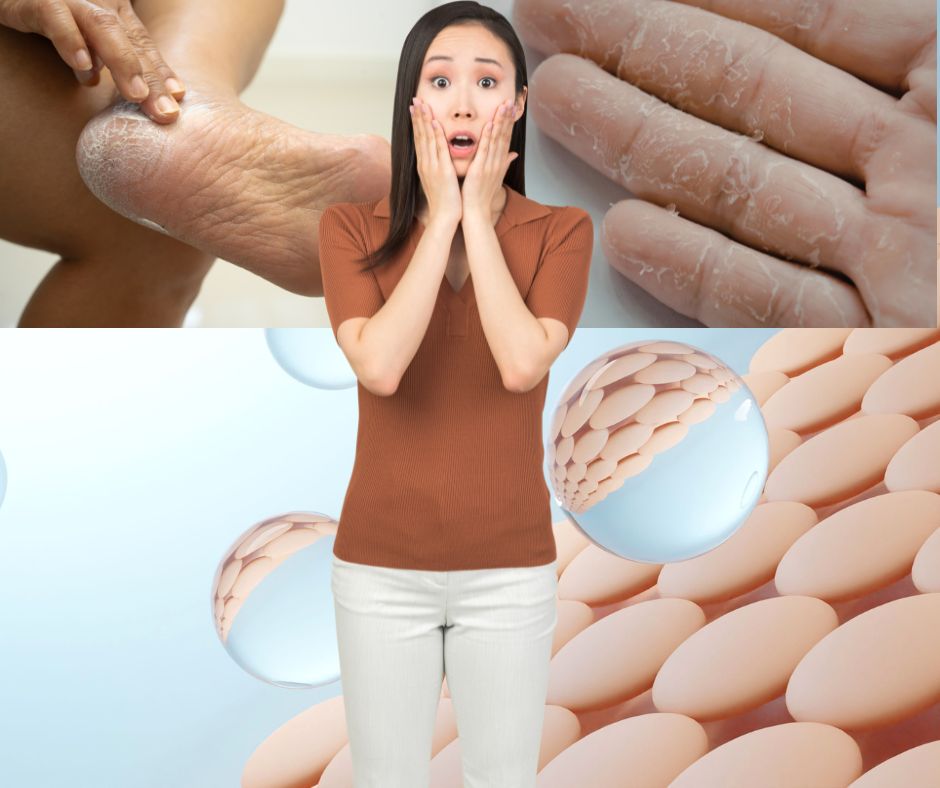
Your skin barrier protects you every day, often without you ever noticing, by keeping moisture inside the body while defending against bacteria, environmental irritants, and pollutants. When it functions well, the skin feels comfortable, hydrated, and resilient. But our everyday habits can quietly be causing damage to our skin barrier. They are routine habits, environmental exposures, and skincare practices that we rarely think about. Understanding these factors can help you protect one of the body’s most important defense systems.
Using Harsh Soaps and Cleansers
Frequent use of strong soaps can strip away the natural lipids that support the skin barrier. These oils play an essential role in maintaining hydration and keeping the skin’s outer layer intact. When they are removed repeatedly, the skin may become dry, tight, or irritated. Gentle cleansers help preserve the natural oils that protect the barrier.
Over Exfoliation
Exfoliation is often promoted as an essential skincare step. Mild exfoliation may occasionally help remove dead skin cells, but excessive scrubbing or frequent chemical exfoliation can disrupt the protective outer layer.
The skin barrier functions best when it is intact and stable. Aggressive exfoliation may weaken that protective structure. In many cases, the skin benefits more from gentle care than from repeated exfoliation treatments.
Exposure to Dry Environments
Cold weather, indoor heating, and low humidity can lead to water loss from the skin. Dry air can weaken the skin barrier and contribute to dryness, irritation, and sensitivity. Protective skincare and proper hydration become especially important during colder months or in dry climates.
Poor Hydration
Adequate hydration supports normal skin cell function and wound healing. When the body does not receive enough fluids, the skin may become dry and less resilient. Hydration helps support the natural processes that maintain the skin barrier.
Poor Sleep Habits
Not getting enough sleep can seriously harm your skin’s protective barrier, the layer that keeps moisture in and harmful bacteria out. We lose moisture through our skin more easily if we sleep poorly, and skin damage has been shown to take about 30% longer to recover than for people who sleep well. Also, a lack of sleep reduces melatonin, which helps protect skin cells from inflammation and stress, leaving the barrier weaker. Quality sleep helps your skin produce collagen, repair itself, and heal properly, making it one of the most important habits for healthy, strong skin.
Ignoring Early Signs of Skin Irritation
Ignoring early signs of skin irritation, such as dryness, flaking, redness, or stinging, can turn a small issue into a much bigger problem. When the skin barrier is damaged and left untreated, it worsens over time with invisible changes occurring beneath the surface, leading to visible dryness and can eventually lead to chronic skin issues. The sooner you respond to warning signs, the easier it is for your skin to recover; waiting only gives the damage more time to worsen.
Exposure to the UV Rays
In addition to increasing our risk of skin cancer, ultraviolet radiation from the sun or artificial sources, such as tanning beds, can damage skin cells and weaken the protective structures that maintain the skin barrier. Repeated sun exposure can accelerate skin aging and increase its dryness and sensitivity. Consistent sun protection is one of the most effective ways to protect the skin barrier over time.
Friction (Rubbing) and Excess Moisture
Skin that remains damp or is repeatedly rubbed can break down more easily. Gently drying the skin after bathing and changing out of wet clothing when possible can help protect the skin barrier. In wound care settings, protecting skin from prolonged exposure to moisture is a common preventive strategy.