
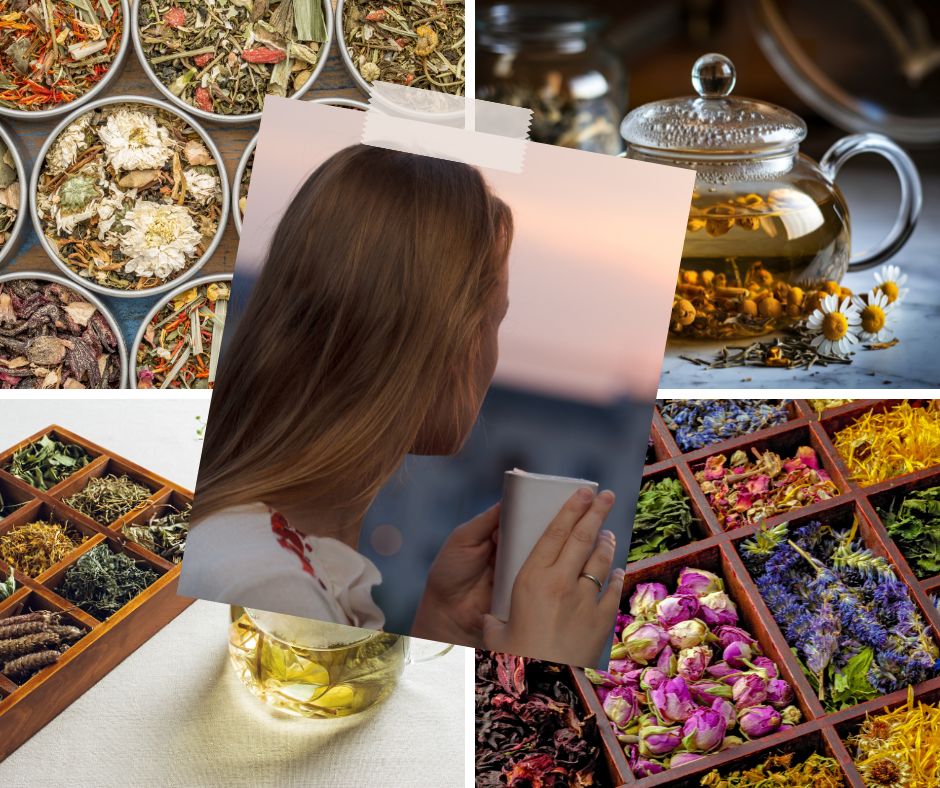
Sometimes when we are struggling to sleep, we may think that we need to use a supplement or medicine. But many herbal teas for sleep contain natural compounds that help ease the mind and body into rest. These teas are a natural, simple, caffeine-free solution that starts in the garden. We have found that an evening herbal tea, whether we grow the herbs ourselves or buy them from the store, can help us relax and support a great night’s rest. Based on our experience and research, we found that the most effective teas for sleep are chamomile, lavender, lemon balm, valerian root, and passionflower. Each contains natural, non-sedating compounds that calm the nervous system, and all five can be grown at home and brewed fresh for a caffeine-free bedtime ritual.
This guide covers the best teas for sleep, what makes each one work, and how to grow a small “sleepy-time” herb garden at home. (One note: if you are pregnant, nursing, or taking certain medicines, check with a doctor before use; some herbs (especially passionflower and valerian root) may interact with medications or have limited safety data.)
Why Herbal Tea Helps You Sleep
Most sleep-supportive herbs work through mild sedative compounds that can calm your nervous system or help lower cortisol and physical tension. These compounds help your body relax into sleep more easily. None of them are a substitute for good sleep habits, but as part of a wind-down routine, a warm cup of herbal tea can be a genuinely helpful cue that signals to your brain, “it’s time to slow down.”
The Best Teas for Sleep and How to Grow Them
Chamomile Tea for Sleep
The classic bedtime tea, and one with real evidence behind it. Chamomile contains apigenin, an antioxidant that binds to certain receptors in the brain to help reduce anxiety and promote drowsiness. In one trial, older adults in nursing homes slept better and felt less fatigued after four weeks of drinking it, and postpartum women reported similar improvements in as little as two weeks. Not every study agrees on how strong the effect really is, but it’s gentle enough to be a low-risk place to start.
Growing it: German chamomile is an easy annual that reseeds itself readily. Likes full sun, well-drained soil, and doesn’t need much fussing. Harvest the small daisy-like flowers just as they open. You can also dry them on a screen out of direct sunlight for about a week before storing.
Prefer not to grow your own? Traditional Medicinals Organic Chamomile Tea is a well-regarded, widely available option on Amazon.
Lavender Tea for Sleep
Best known for its scent, lavender also makes a lightly floral tea. Studies on lavender aromatherapy show it can reduce heart rate and anxiety, and the tea offers a milder version of that same calming effect. In one study, adults over 65 who drank a stronger daily cup slept noticeably better after a few months than those on a lighter dose, suggesting the benefits build over time rather than appearing after a single cup.
Growing it: Lavender is a perennial that prefers poor, sandy soil, minimal watering once established, and full sun. Harvest the flower spikes right before the buds fully open. The essential oils are most concentrated at this point. Hang them in small bundles to dry.
Prefer not to grow your own? Buddha Teas Organic Lavender Tea is a solid, purpose-made bedtime option.
Lemon Balm Tea for Sleep
A member of the mint family, lemon balm has a bright, citrusy flavor and has been used for centuries to ease restlessness and mild anxiety. It’s also one of the better-backed options on this list. Just a week of lemon balm has been found to cut patients’ anxiety by nearly half and meaningfully improve their sleep quality after heart surgery, likely because one of its natural compounds helps the brain hold onto calming chemicals a little longer.
Growing it: Lemon balm grows almost too well. Plant it in a container if you don’t want it spreading through your garden bed. It tolerates partial shade and average soil. Snip leaves throughout the season; they’re best used fresh, but they dry well too.
Prefer not to grow your own? Traditional Medicinals Organic Lemon Balm Tea is a reliable pick on Amazon.
Passionflower Tea for Sleep
Less common in home gardens but worth the effort, passionflower has been studied for its potential to increase GABA levels in the brain, which can help quiet mental chatter at bedtime. In one trial, people who drank a cup nightly for a week rated their sleep noticeably better than during the week they drank a placebo tea, based on their own sleep diaries. It’s one of the few sleep herbs that’s actually been tested as a brewed tea rather than a capsule or extract.
Growing it: This is a vining perennial that needs a trellis and a warm, sunny spot. It’s slower to establish than the others, but once mature, the leaves and flowers can both be dried for tea.
Prefer not to grow your own? Traditional Medicinals Organic Nighty Night with Passionflower is a popular, purpose-built bedtime blend on Amazon.
Valerian Root Tea for Sleep
Valerian is considered to be one of the more potent sleep herbs. It is often used for people with more stubborn insomnia. It has an earthy, somewhat pungent flavor, so it’s often blended with mint or honey. However, research here is a bit of a mixed bag. Some large reviews find it eases the subjective feeling of a rough night more than it changes how long you actually sleep, but it’s been used safely across thousands of study participants. Whole dried root tends to work better than processed extracts.
Growing it: Valerian is a tall perennial that prefers moist soil and partial sun. Unlike the others, it’s the root you harvest; dig it up in the fall of its second year, wash it thoroughly, and dry it in thin slices before storing.
Prefer not to grow your own? Buddha Teas Organic Valerian Root Tea is a well-reviewed, single-ingredient option on Amazon.
Peppermint or Spearmint Tea for Sleep
Not sedative on its own, but mint soothes the digestive system and pairs beautifully with the other sleep teas here, rounding out flavor while easing any evening stomach tension that might keep you up. It hasn’t been tested much for sleep directly, but it has a solid track record for bloating and stomach discomfort, and a calmer stomach tends to make it easier to drift off.
Growing it: Like lemon balm, mint spreads aggressively through underground runners. Always grow it in a container. It’s nearly foolproof, tolerating partial shade and inconsistent watering.
Prefer not to grow your own? Traditional Medicinals Organic Peppermint Tea is a consistently well-rated choice on Amazon.
Building a Simple Sleep Tea Garden
If you’re starting a sleep tea garden from scratch, a good beginner combination is:
- Chamomile and lavender in a sunny bed or large planters.
- Lemon balm and mint in planters to prevent them from taking over your garden.
- Passionflower along a fence or trellis if you have the space and patience.
This gives you a rotation of flavors and effects. The best part is most of these plants are perennial and will come back year after year.
How to Brew Tea From Herbs
Fresh herbs make a gentler, more fragrant sleep tea than dried, though you’ll need more of them:
- Use roughly 2–3 tablespoons of fresh leaves or flowers per cup of tea (versus 1 teaspoon dried).
- Bring water to a near boil (around 200°F); it’s plenty for these delicate herbs.
- Steep for 5–10 minutes, covered, to keep the volatile oils from escaping with the steam.
- Strain and sweeten with honey if you like; a slice of fresh lemon balances the earthier herbs like valerian.
To dry your harvest for later use, tie small bundles of stems together and hang them upside down in a dark, well-ventilated spot for one to two weeks, or use a dehydrator on its lowest setting. Store dried herbs in an airtight jar away from light, and they’ll keep their potency for six months to a year.
Remember
Whether you grow your own or purchase herbal teas, they can be a helpful component to your sleep routine. They serve as a companion to good sleep hygiene, including consistent bedtimes, less screen time in the evening, and a cool, dark room. It provides a nice symmetry and peacefulness to your routine when sipping a sleep tea to help your body slow down at night.