
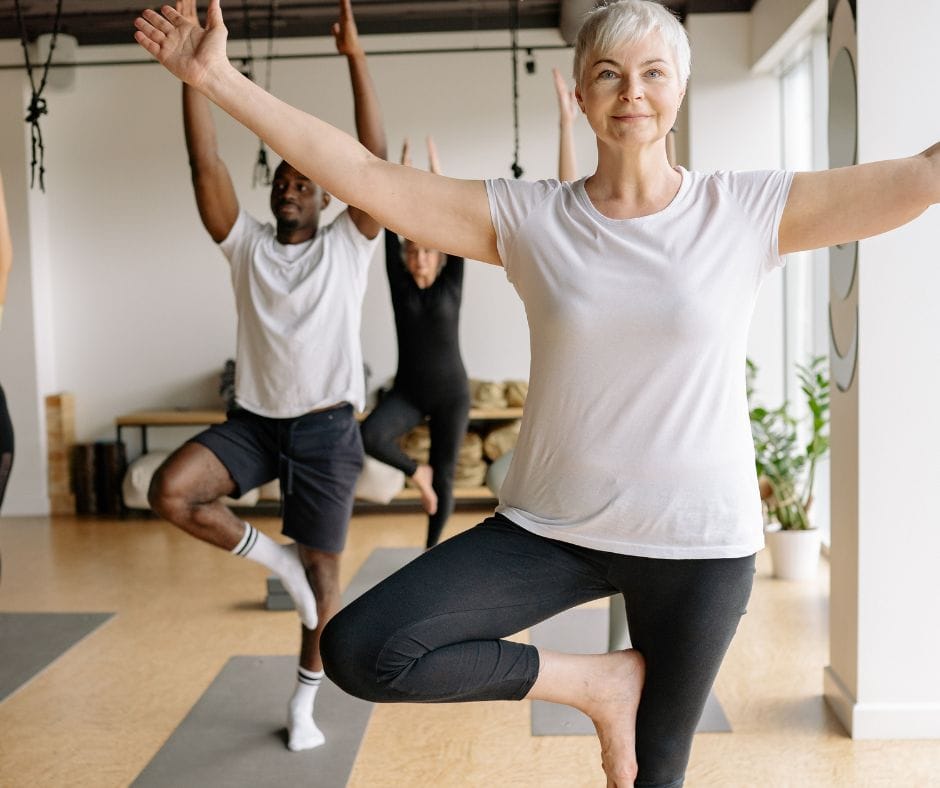
Balance isn’t just a skill for dancers or gymnasts or professional athletes. It is the foundation of daily mobility for every one of us. From toddlers taking their first steps to adults carrying groceries, strong balance helps us stay steady and confident and prevents falls as we grow older. Understanding balance and how to support it can make a world of difference in our lives.
What Balance Really Means
Balance is the method your body uses to stay upright and steady, whether you are standing still or moving. It uses signals from your eyes, inner ears (vestibular system), muscles, and nerves, all working together to keep you from tipping over. Think of it like an orchestra where all the different parts must work together to play beautifully. When one part sounds like a squeaky horn or broken violin, we wobble or lose direction. Throughout our lives, these parts tend to change in strength and speed, making us more unstable if we don’t keep them strong.
Health experts state that good balance helps reduce the risk of injury from slips and trips, as well as from everyday activities like walking, climbing stairs, rising from a chair, or bending to pick something up. A loss of balance is a major risk factor for falls in older adults and can affect confidence and independence.
How Balance Affects Fall Risk
Falls are one of the most common and serious health problems for people age 65 and older, with 1 in 4 adults in this age group falling each year. Many of these falls lead to injury, hospital visits, reduced mobility, or even a lack of confidence and/or fear. Exercising can help strengthen balance and muscle power, significantly lowering the risk of falls. Home-based strength and balance exercises have been found to improve balance. If you need help, support, or have safety concerns, a certified personal trainer at a local gym can provide guidance, or a physical therapist can support you alongside your medical team. Regular exercise improves balance function and reduces falls when performed consistently over weeks and months.
Balanced movement also affects the brain and nervous system. Exercises that combine movement with thinking (like dual-task exercises where you move while answering questions) can improve your ability to stay steady even when life throws distractions your way.
Key Types of Balance Exercises
There is no single way to improve balance, and many types of exercise help keep your body steady. Choose exercises that feel right for you and gradually build strength and confidence.
Always remember that your safety matters. When improving your balance, keep something sturdy within reach, wear supportive shoes, and adjust the exercises to your comfort level. If you have health conditions that affect movement, work with a physical therapist or healthcare provider to create a safe routine.
1. Static Balance Exercises (holding still positions)
These exercises help your body learn stillness and control.
• Stand on one foot for 10 to 30 seconds while holding a stable surface for support if needed.
• Heel-to-toe walk forward in a straight line to practice staying steady.
• Sit-to-stand repeatedly from a chair to build leg strength and balance.
2. Dynamic Balance Exercises (moving with control)
These help your body stay steady while it moves, which matters most in everyday life.
• Walk heel-to-toe slowly.
• March in place, lifting your knee high.
• Shift your weight gently from front to back or side to side. These movements train your muscles to respond to changes in movement safely.
3. Strength + Coordination Work
Strong muscles make balance easier and safer.
• Leg lifts to the side or back to strengthen the hips.
• Toe and heel raises to strengthen lower legs.
• Core strengthening (like gentle supports or seated twists) helps your trunk stay steady.
4. Mind-Body Exercises
Yoga, Tai Chi, and Pilates involve controlled movement, flexibility, and focus, all of which support balance. Studies show that these exercises can improve balance and physical function.
5. Otago Exercise Program
This is a specially designed program of strength and balance exercises that research has shown can reduce fall risk by improving lower-limb strength, walking ability, and stability in older adults.
Simple Ways to Practice Balance Every Day
• Stand on one foot while brushing your teeth.
• Walk slowly in a straight line from one room to another.
• Sit and stand from a chair without using your hands when you feel safe to try.
These small moments add up and remind your body that we can stay steady and strong.
How Exercise Helps Your Brain, Your Body, and Your Loved Ones
Balance work doesn’t just affect muscles; it benefits the way your brain and the rest of your body communicate. The act of practicing standing still, shifting weight, or walking while focusing also helps strengthen the nerve pathways that help you correct and adapt to changes in your environment. Regular practice builds confidence, reduces fear of falling, and supports daily life tasks like stepping off a curb or turning in a hallway.
Exercise can also benefit you socially. Whether it’s with a caregiver or friends, doing balance exercises together can benefit everyone. It helps foster a stronger bond of trust, follow-through, open communication, and a time of so much fun. Encourage one another with slow, safe practice with support nearby. Celebrate every progress, even small steps matter. Make exercises part of a daily routine, like after breakfast or before a walk. Talk with a physical therapist if there are existing health concerns. Companionship and encouragement can be as important as the exercises themselves.
Balance is not something we should wait to think about until we already have issues with it. It is a precious part of our health that connects body, mind, and spirit. It supports our ability to move confidently and helps protect us from falls that impact our daily lives. Whether you are 8 or 80, practicing balance exercises, building strength, and staying active are important gifts we can give ourselves, gifts of confidence, freedom, and wellbeing.