
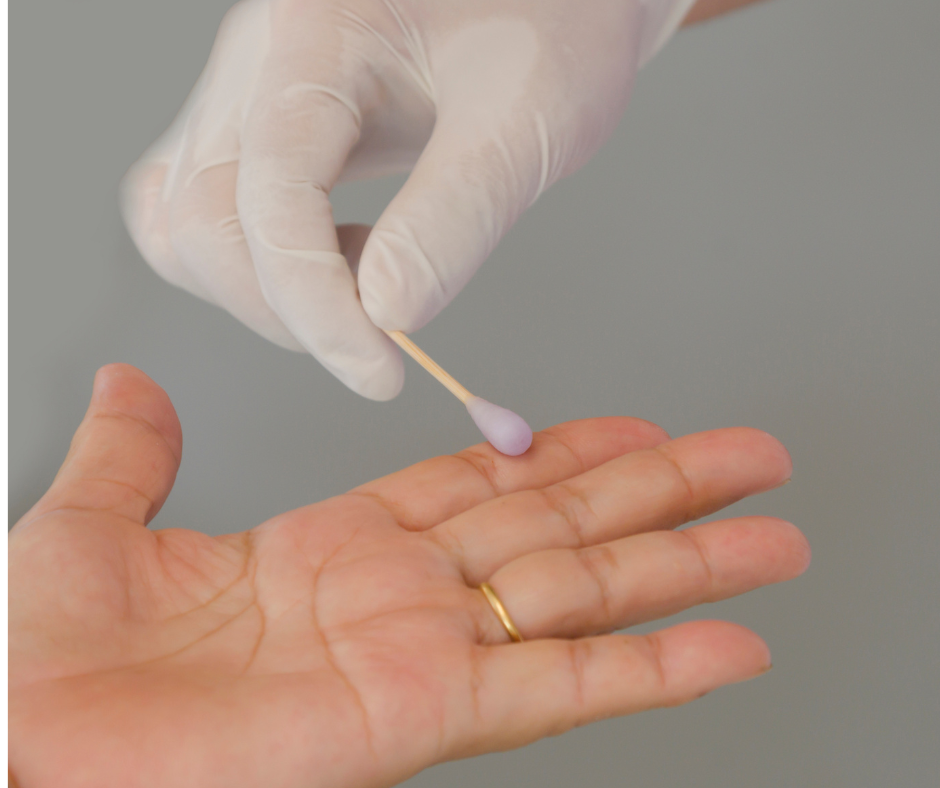
When you get a small cut, scrape, or burn, it is natural to reach for the familiar tube of antibiotic ointment in your medicine cabinet. Many of us were taught that a quick dab is the best way to prevent infection and aid wound healing. However, doctors and public health experts are now reminding us that antibiotic ointments are not always necessary and, in some cases, may even do more harm than good.
One of the biggest concerns is antibiotic resistance. Antibiotics work by killing bacteria, but when they are used too frequently, even on the skin, some bacteria can survive and develop resistance, learning how to fight back. These stronger bacteria, known as superbugs, can easily spread and complicate infections, making them more challenging to treat, which is not just a personal issue but also a community-wide concern. The Centers for Disease Control and Prevention (CDC) states that antibiotic resistance is one of the most serious public health threats of our time.
Most Small Wounds Don’t Need Antibiotics
For most minor wounds, the skin is very capable of healing on its own when given the right basic care. Research supports that simply cleaning a wound and keeping it protected is usually enough to support healthy healing. Following simple steps for wound healing helps remove dirt and bacteria, keep the wound moist, and provide protection without disrupting the skin’s natural repair process, promoting better healing and reducing scabbing.
In these situations, using an antibiotic ointment does not provide added healing benefits. Instead, unnecessary use can increase the risk of skin irritation or allergic reactions and contribute to the larger problem of antibiotic resistance.
- Allergic reactions and skin irritation. Ingredients like neomycin (found in some popular ointments) are common causes of contact allergies.
- Upsetting the skin’s natural balance. Healthy skin bacteria can be disrupted, which may slow down healing or increase the risk of infection.
- Contributing to resistant bacteria. Even topical antibiotics can add to the problem of “superbugs” that no longer respond to treatment.
For everyday wounds at home, simple care is often the safest and most effective approach. However, if you have diabetes, poor circulation, or take blood thinners, be sure to reach out early to your provider for wound care advice, as infections can progress faster.
What To Do Instead
Start by building a small wound-care kit that includes mild soap, Vashe, petroleum jelly, non-stick pads, paper tape, adhesive bandages in assorted sizes, hand sanitizer, and clean tweezers. Care for minor wounds at home by:
- Keep the wound clean. Please wash your hands thoroughly before touching the wound and gently clean it with mild soap and cool water. If you have concerns about potential contamination, a wound cleanser such as Vashe can help keep the wound clean and healthy. Be sure to avoid harsh cleaners like hydrogen peroxide or iodine on routine cuts.
- Apply a thin layer of petroleum jelly to keep the wound moist, which can help prevent scabs and scars.
- Cover with a clean bandage and change it daily or if it gets wet/dirty.
- Watch for signs of infection, which can include increasing redness, swelling, pus, or fever. If you have any concerns or these appear, talk to a healthcare provider.
- Keep vaccinations up to date (like tetanus) per your clinician’s advice.
When Antibiotic Ointment May Be Helpful
- If a wound already looks infected. An antibiotic ointment or prescription treatment is recommended.
- For people with a higher risk of infection (such as those with diabetes, weakened immune systems, or poor circulation), discuss with your healthcare provider if they might suggest limited use.
- If using an antibiotic ointment, check the label limits. Drug facts labels typically say to stop and ask a doctor if you need to use the ointment longer than 1 week, if the condition gets worse, or if a rash develops, and to avoid using it over large areas.
Takeaway
While antibiotic ointments have their place, they should not be an automatic choice for every scrape or cut. Most minor wounds simply need to be cleaned, moisturized, and covered to heal correctly. This basic care also helps reduce complications and prevent unnecessary antibiotic use. By being thoughtful about when antibiotics are truly needed, we can protect our own health and help ensure these life-saving medications remain effective for future generations