
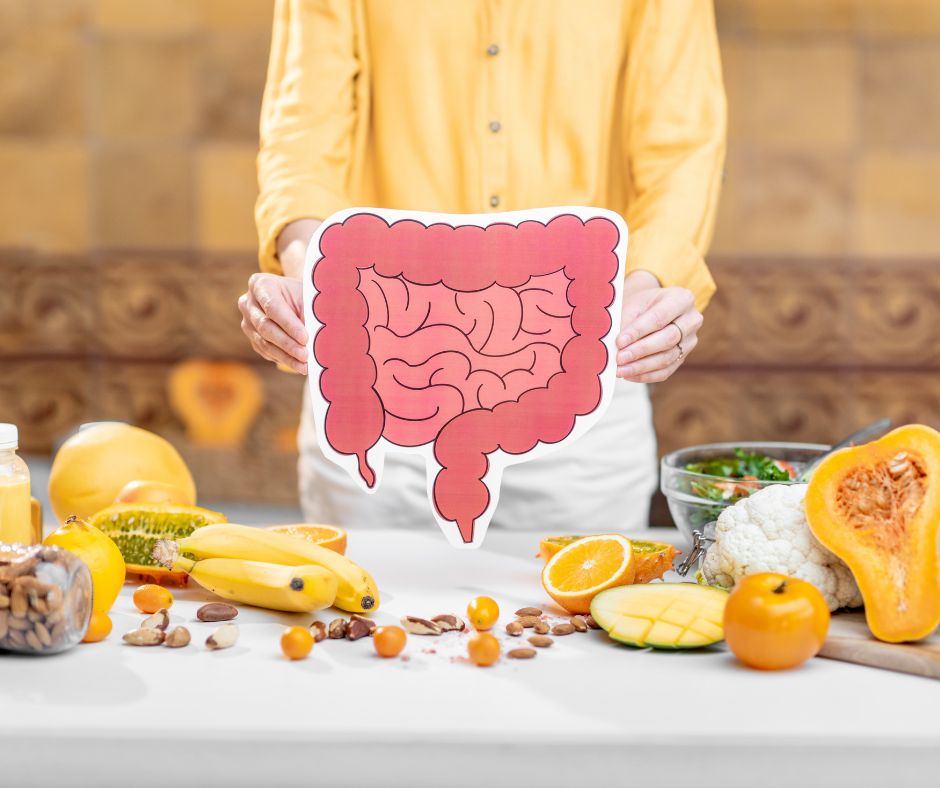
Your gut is doing a lot more than digesting your lunch. Inside your digestive tract lives a vast, complex community of trillions of microorganisms, including bacteria, viruses, and fungi, that work together to protect your health in ways scientists are only beginning to understand fully. This community, known as the gut microbiome, plays a central role in your immune function, mental well-being, nutrient absorption, and your body’s ability to fight disease. Keeping it balanced is one of the most important things you can do for your overall health, and that is exactly where prebiotics and probiotics come in.
You have probably seen both words on supplement labels, yogurt containers, and health food packaging. They sound similar, and they are often talked about together, but they are not the same thing. Understanding the difference between them and how they work together can help you make smarter choices for your body and the bodies of the people you love and care for.
What Exactly Is Your Gut Microbiome?
Before diving into prebiotics and probiotics, it helps to understand what they are working with. The human gut contains roughly 2,000 bacterial species that form a dynamic, interconnected ecosystem. This microbiome supports human development, immunity, digestion, and nutrient absorption. When this ecosystem is balanced and thriving, so are you. When it falls out of balance, a condition called dysbiosis occurs; the effects can ripple throughout your entire body, contributing to digestive disorders, weakened immunity, metabolic disruption, and even changes in mood and mental health.
The great news is that you have real power over the state of your microbiome, and it starts with what you eat and how you nourish the organisms living inside you.
Probiotics: The Living Helpers
Probiotics are live microorganisms that, when consumed in adequate amounts, provide health benefits to the host (you and I). Think of them as reinforcements being sent in to support the beneficial bacteria already working in your gut. The most well-studied probiotic strains belong to two main groups, Lactobacillus and Bifidobacterium, which have been shown in clinical research to support digestive balance, reduce symptoms of diarrhea, and help maintain the overall stability of the gut microbiome.
These tiny living organisms do their work by helping to maintain the balance between beneficial and harmful bacteria in your gut. They support the integrity of the gut lining, which acts as a barrier against harmful substances entering your bloodstream. They produce metabolites that signal the immune system and regulate inflammation. Finally, they contribute to the production of short-chain fatty acids, which are powerful compounds that fuel the cells lining your colon and support immune regulation.
Probiotics are naturally found in fermented foods. Some of the richest food sources include:
- Yogurt with live and active cultures
- Kefir
- Sauerkraut
- Kimchi
- Miso
- Tempeh
- Kombucha
Probiotic supplements are also widely available in capsule, powder, and liquid form. However, not all probiotic supplements are equal. Each have their own ingredients of specific bacterial strains to support your gut, and evidence shows that your body’s requirements for these different strains vary based on the health condition being addressed.
Prebiotics: The Food That Feeds the Good Guys
If probiotics are the beneficial microorganisms, then prebiotics are their food source. Prebiotics are nondigestible compounds, primarily found in dietary fiber, that pass through your digestive system undigested and are selectively fermented by the beneficial bacteria in your colon. In other words, you cannot absorb them yourself, but your gut bacteria thrive on them.
The most common types of prebiotics are fructo-oligosaccharides, galacto-oligosaccharides, inulin, resistant starches, and pectins. These types help nourish the beneficial bacteria in your gut. They promote bacterial growth and activity while crowding out harmful microorganisms. Eating prebiotic and probiotic foods together helps increase helpful bacteria in your gut and decrease the amount of harmful bacteria.
Prebiotics are found in many everyday plant-based foods, including:
- Garlic
- Onions
- Leeks
- Asparagus
- Bananas, especially slightly underripe ones
- Oats
- Barley
- Apples
- Flaxseed
- Jerusalem artichokes
- Chicory root
Beyond digestive support, prebiotics have been associated in clinical trials with relief from constipation, improvement in irritable bowel syndrome symptoms, and beneficial effects on metabolic conditions such as obesity and type 2 diabetes. They also play a role in strengthening your immune response by enhancing mineral absorption and defending against pathogens.
How Prebiotics and Probiotics Work Differently (But Toward the Same Goal)
The best way to think about how prebiotics and probiotics work is to think of your gut as a garden. The probiotics nourish and help maintain balance within the microbiome by introducing beneficial microorganisms. At the same time, prebiotics serve as the nutrient source that feeds and strengthens those microorganisms so they can do their best work. One introduces the team; the other keeps the team fueled and functional.
Without prebiotics, the beneficial bacteria introduced by probiotics or already living in your gut may not have enough fuel to survive and multiply. Without probiotics or a healthy population of beneficial bacteria, there may be far fewer microorganisms present to take advantage of those prebiotic nutrients. This is why researchers and registered dietitians increasingly emphasize that both are important for a truly healthy gut.
The Power of Taking Both Together: Synbiotics
The resulting combination when your body is supplied with prebiotics and probiotics is called synbiotics, either through diet or supplements. Synbiotics are designed to work synergistically, meaning the probiotic and prebiotic components enhance each other’s effectiveness. The prebiotic component serves as a nutrient source that promotes the growth and function of the probiotic strains, amplifying their positive effects on the host.
The benefits of Synbiotics can range from improved digestion and reduced inflammation to potential roles in neuropsychiatric health and immune homeostasis. Clinical research has shown that they may have a role in managing inflammatory bowel conditions, with research showing that significant increases in beneficial bacteria such as Lactobacillus and Bifidobacterium alongside reductions in inflammation can lead to improvements in gut barrier function.
Your Gut, Your Brain, and Your Mood
One of the most exciting areas of gut health research right now is the connection between your microbiome and your mental health. The gut and brain communicate constantly through what scientists call the gut-brain axis. It is a two-way communication highway involving the nervous system, immune signals, and microbial metabolites. There is a meaningful relationship between the composition of your gut microbiota and symptoms of depression and anxiety, with treatment using probiotics and prebiotics showing improvement in those mental health conditions in multiple studies.
A significant portion of your body’s serotonin, a neurotransmitter that plays a key role in mood regulation, is actually produced in the gut. When the microbiome is disrupted, it can affect the production of neuroactive metabolites including serotonin and tryptophan derivatives, which in turn influence how your brain functions and how you feel emotionally. Maintaining a well-nourished gut microbiome through prebiotic-rich foods and adequate probiotic sources may be one of the most accessible tools available for supporting mental wellness alongside other treatment strategies.
Short-Chain Fatty Acids: The Hidden Benefit You Need to Know About
One of the most important ways that prebiotics and probiotics benefit your health is through the production of short-chain fatty acids. Your gut bacteria produce compounds including acetate, propionate, and butyrate when fermenting prebiotic fibers that have far-reaching effects throughout your body. Butyrate, in particular, is the primary energy source for the cells lining your colon and plays a vital role in reducing inflammation, preserving gut barrier integrity, and fostering a balanced microbiome.
These short-chain fatty acids also influence immune cell differentiation and function by promoting the development of regulatory T cells, which help control immune reactions and suppress excessive inflammation. High-fiber diets that feed prebiotic fermentation promote the proliferation of the microbes that produce these compounds, which is one of the most powerful arguments for prioritizing fiber-rich, plant-based foods in your daily meals.
Signs Your Gut Might Need Some Support
Some common signs that your microbiome may be out of balance include:
- Frequent bloating, gas, or abdominal discomfort
- Irregular bowel habits, whether constipation or loose stools
- Feeling tired or mentally foggy without a clear cause
- Frequent illness or slow recovery from infections
- Skin issues like eczema or unexplained breakouts
- Mood changes, irritability, or low-level anxiety
Remember, in many cases, intentionally incorporating more prebiotic-rich foods and probiotic sources into your diet can help. If you are experiencing any of these symptoms consistently, a healthcare provider can help identify potential causes and solutions.
Simple Ways to Add Both to Your Life Every Day
You do not need a complicated supplement regimen or an expensive wellness routine to support your gut. Some of the most effective strategies are also the simplest.
Start with food first. Try eating a daily serving of yogurt with live cultures, a handful of oats in the morning, some garlic or onion cooked into a meal, and a piece of fruit to help feed and build your microbial community. Variety is key. If you diversify your plant-based food intake, then the more diverse your microbiome tends to be. Greater microbial diversity is consistently associated with better health outcomes.
As a nurse, I have realized through my experience the importance of prebiotics and probiotics for myself, my family’s health, and others’. In addition to selecting prebiotic- and probiotic-rich foods, we take a daily probiotic supplement. If you are considering a probiotic supplement, look for one that a third-party organization has tested. It should specify the strain and colony-forming unit count on the label. Also be sure to properly store it, since live organisms require specific conditions to survive. Keep in mind that different strains have different effects. What works well for one person may not work for another. Personalized nutrition designed for your unique microbiome profile is an emerging area of research that holds enormous promise for the future.
If you are caring for a loved one or are going through illness or recovery yourself, gut health support can be especially valuable. Antibiotics, hospitalizations, and certain medications can significantly alter your microbiome. Being intentional about dietary support during and after these periods can help restore balance more quickly and help with healing.
A Gut That Feels Good Changes Everything
Gut health is about much more than curbing our hunger. It impacts our immunity, inflammation, metabolism, mental health, skin health, and even how well your body responds to medical treatment. Giving your gut what it needs, both the living organisms that support it and the nutrients those organisms need to thrive, is one of the most holistic investments you can make in your long-term wellness.
The best part is you can start today by being purposeful about what you eat with a banana, a cup of yogurt, or a meal that includes a little garlic and some leafy greens. Your gut is listening, and it is ready to respond.