
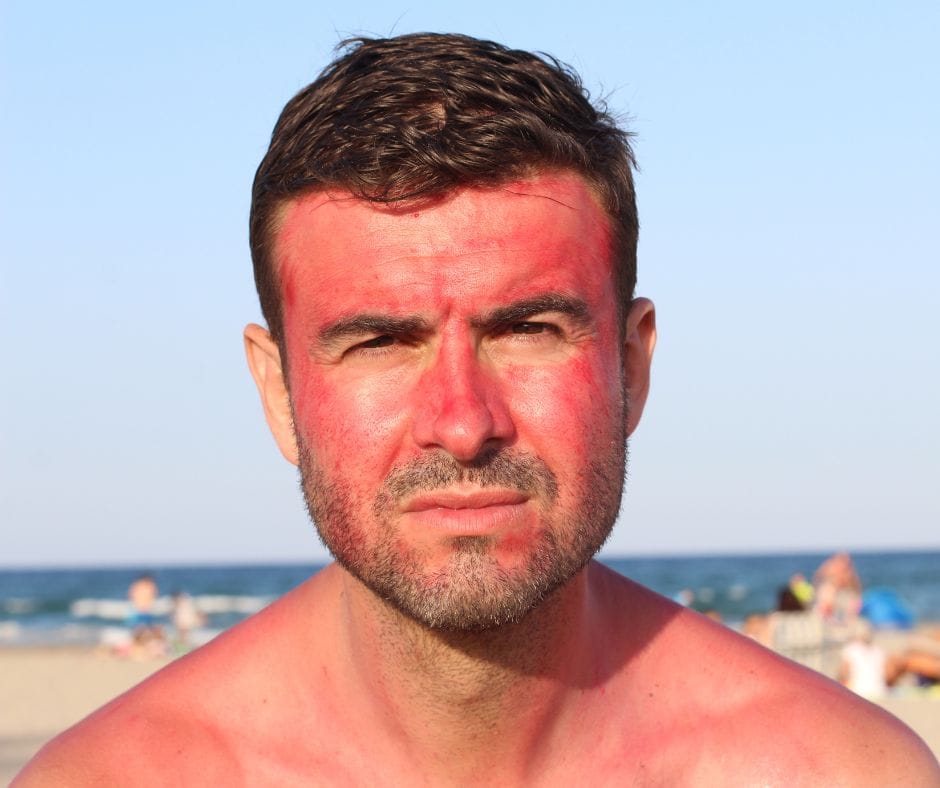
When I was younger, the sun felt like a friend. I remember packing into the car with my beach bag and friends, counting the minutes until I could lie out by the pool or stretch out on the beach. A tan was the goal for the summer. The darker I got, the better I felt about how I looked. The idea that those long afternoons of soaking up the sun could be hurting me never really crossed my mind. Skin cancer prevention was never a thought on my mind. I share this story not because it is unique, but because it is so common. Most of us were never taught how much damage ultraviolet radiation could quietly cause over time, and many of us spent years prioritizing how our skin looked over what it needed. The truth is that UV radiation, from both the sun and tanning beds, is one of the leading causes of skin cancer, and the choices we make throughout our lives all add up on our skin.
What Is Skin Cancer and Why Does It Matter
Skin cancer occurs when skin cells grow in an uncontrolled, abnormal way. Our skin is made up of several types of cells, and cancer can develop in any of them. The three most common types are basal cell carcinoma, squamous cell carcinoma, and melanoma. Basal cell carcinoma and squamous cell carcinoma are sometimes grouped together as nonmelanoma skin cancers. They tend to grow more slowly and are less likely to spread to other parts of the body, but that does not mean they should be ignored. Left untreated, they can cause significant damage to surrounding tissue, and in some cases, squamous cell carcinoma can spread.
Melanoma is the most dangerous form of skin cancer because of how quickly it can invade deeper layers of the skin and spread to other organs. Skin cancer develops most often in areas that get the most sun, such as the face, scalp, neck, chest, arms, and hands, but it can also develop in places that rarely see sunlight, including the soles of the feet, underneath the nails, and even inside the mouth or eyes. That last part surprises many people, and it is one of the reasons a thorough self-examination matters so much.
UV Radiation Contributes to Most Skin Cancer
Anyone can develop skin cancer. It does not discriminate. However, certain factors can increase your risk, and understanding them helps you take thoughtful steps to protect yourself. Ultraviolet radiation from the sun and from tanning beds is the leading cause of most skin cancers. UV radiation damages the DNA in skin cells, and over time, that damage accumulates. A history of sunburns, especially blistering burns during childhood or adolescence, is associated with a significantly higher risk.
But UV Radiation isn’t the Only Cause
While skin cancer is typically caused by UV radiation, it can also have other causes. People with fair skin, light-colored eyes, and blonde or red hair tend to have less melanin, the pigment that offers some natural protection, and are at higher risk, though people of all skin tones are affected. A personal or family history of skin cancer, having many moles or unusual moles, a weakened immune system, and exposure to certain chemicals also raise the risk. Aging skin that has had decades of sun exposure is particularly vulnerable, though skin cancer is increasingly being seen in younger adults.
Signs of Skin Cancer to Look For
One of the most empowering things I can teach you is how to look at your own skin with intention. The goal is not to alarm yourself every time you see a spot. The goal is to know what is normal for your skin so you can notice when something changes. A monthly head-to-toe self-examination is a habit worth building. Here is what to watch for across all types of skin cancer.
A sore or spot that does not heal within a few weeks. Healthy skin will heal normally. When it does not, something may be interfering with that process.
Basal cell carcinoma often presents as a growth that is pearly, waxy, or flesh-colored and slightly translucent, often with visible small blood vessels running through it.
Squamous cell carcinoma often looks like a firm, red nodule or a flat lesion with a scaly, crusted surface. It may appear as a new sore forming over an old scar. Any patch of your skin that bleeds, oozes, or becomes tender without an obvious cause can be a cause for concern.
Most melanomas look like unusual moles or changes within an existing mole. The changes can consist of color, size, shape, elevation, itching, or bleeding.
Pay attention to:
- New growths or spots that were not there before, even if they seem small
- Spots that are growing or changing in size, shape, or color over weeks or months
- A sore that bleeds easily, scabs over, and then bleeds again repeatedly
- Flat, flesh-colored or brown scar-like lesions, which can be a sign of a less common but aggressive cancer called morphea form basal cell carcinoma
- Any spot that looks different from all the other spots on your skin, sometimes called the “ugly duckling” sign
What to Do If You Notice Something
First, please do not panic. Not every unusual spot is skin cancer, and even when it is, early detection makes an enormous difference. The most important step is to schedule an appointment with a board-certified dermatologist for a full skin examination. If you notice a rapidly changing spot or a lesion that is bleeding and not healing, try to be seen as soon as possible. Bring any photos you have taken of the spot overtime, because even images from your phone can help a provider see how something has changed.
Reduce the Risk Through Skin Cancer Prevention Tips
Take actions that reduce your risk and protect the skin you have right now. Wear broad-spectrum sunscreen with at least SPF 30, or even better, SPF 50+, every single day. Seek shade, especially during peak sun hours between 10 a.m. and 4 p.m. Wear UV protective clothing. Put on some sunglasses. Avoid tanning beds.
If you are caring for someone who cannot do a full self-examination, remember that older adults, people who are bedridden, or individuals with limited mobility may have areas of skin that they simply cannot see or reach. When providing personal care, pay attention to the skin on the scalp, back, buttocks, and backs of the legs. These are areas where skin changes can go unnoticed for a long time.